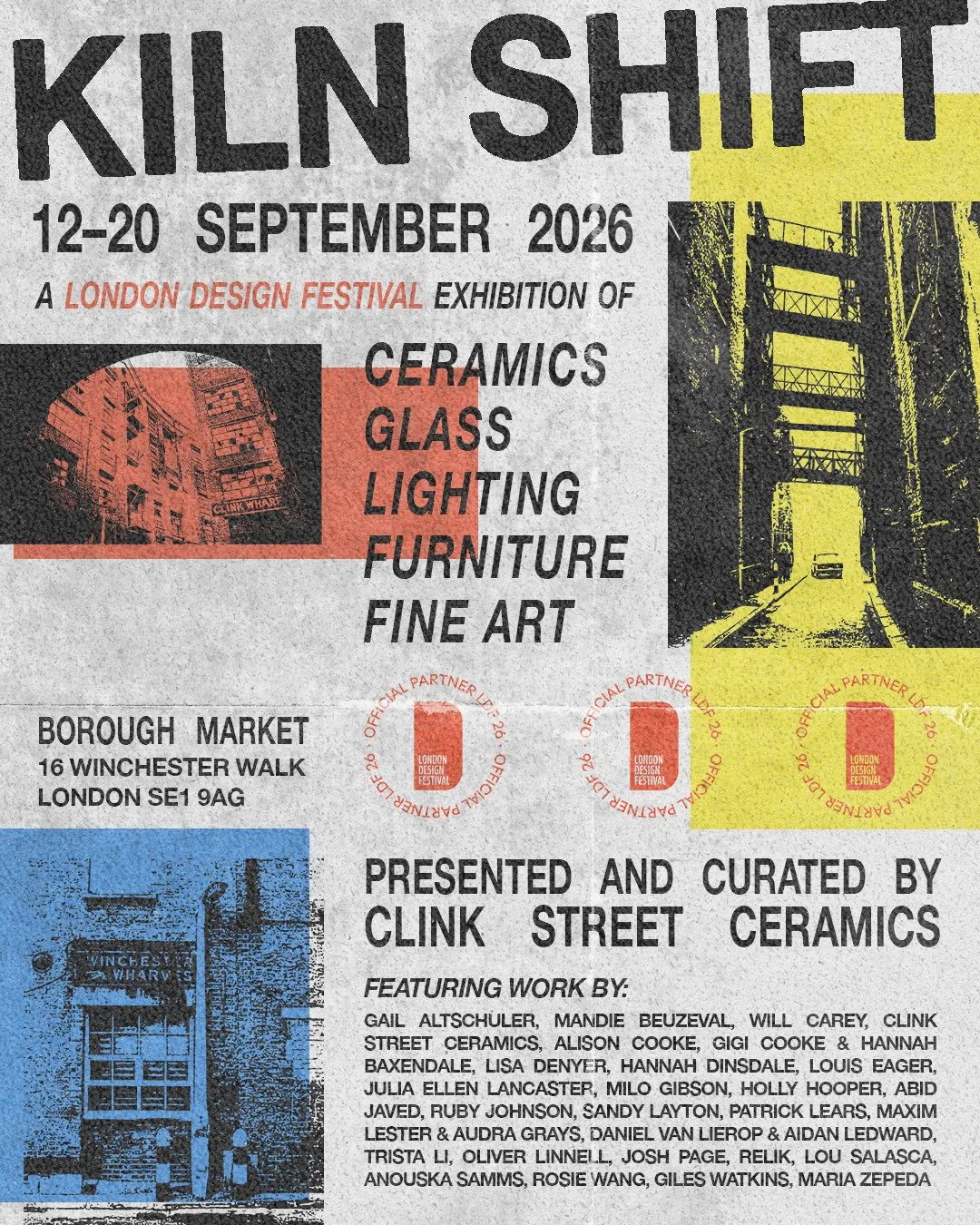
Kiln Shift Exhibition 2026
Click here for our Press Release
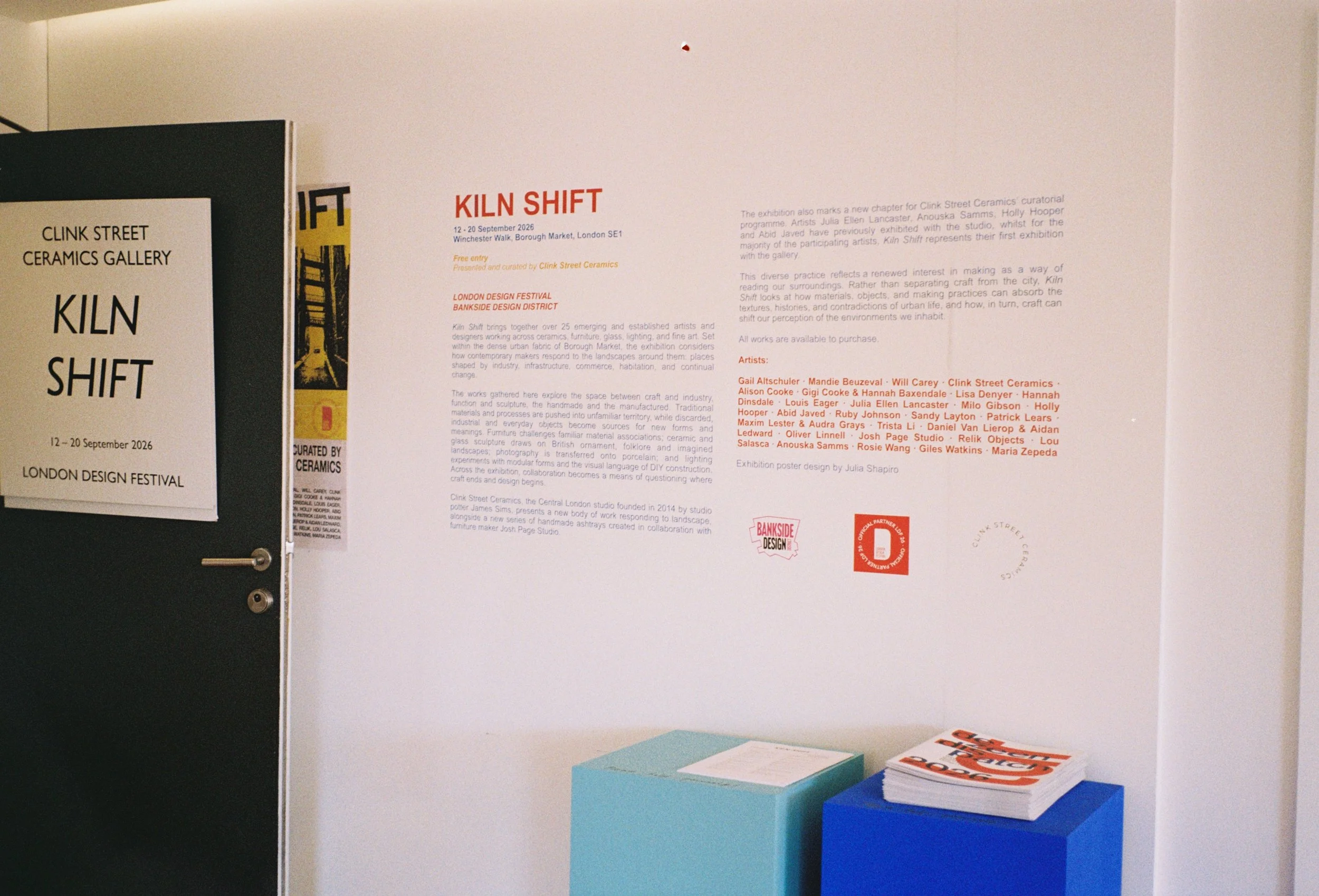
Open: 12 - 20 Sept, 11:00 – 18:00 daily
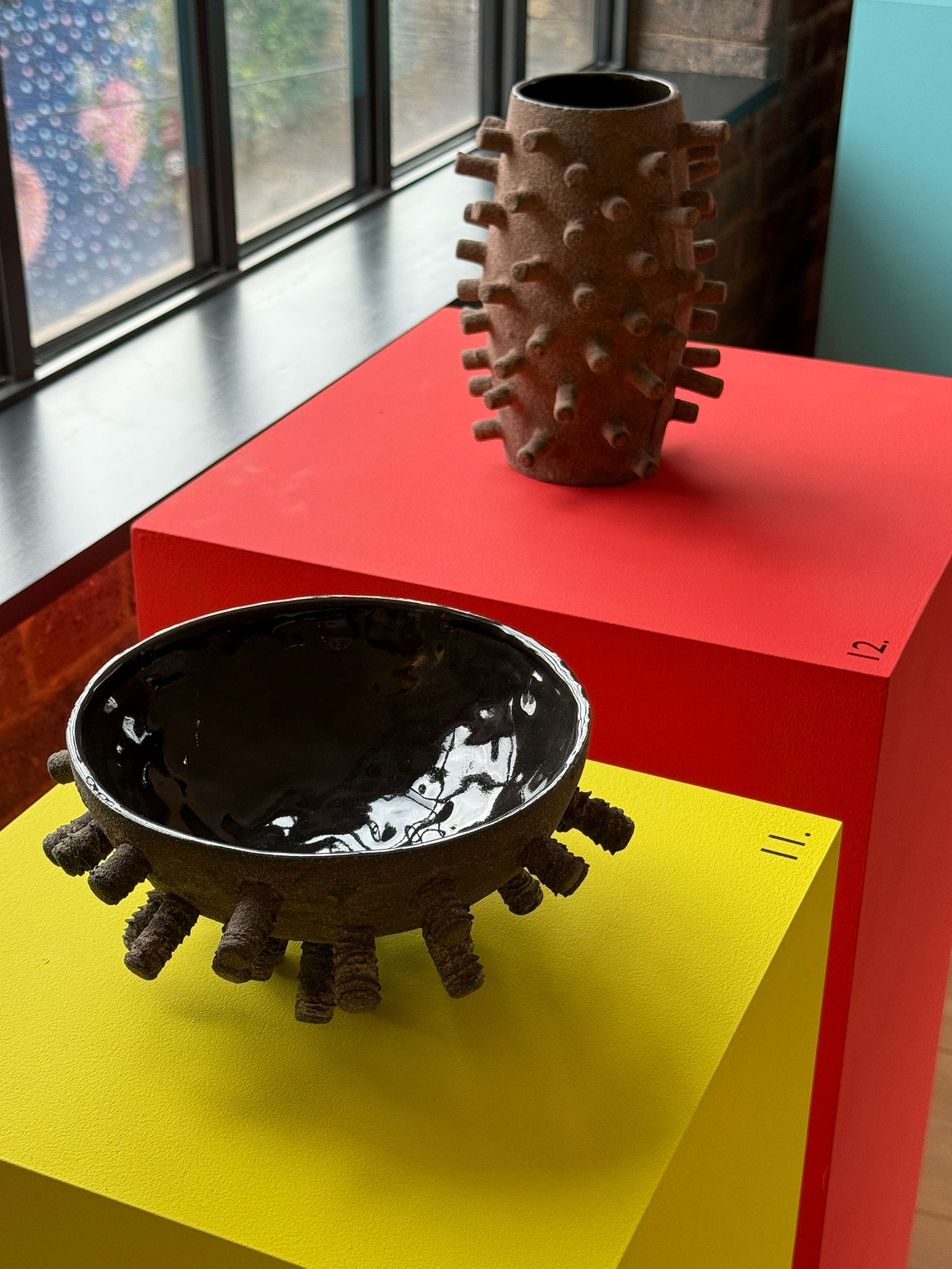
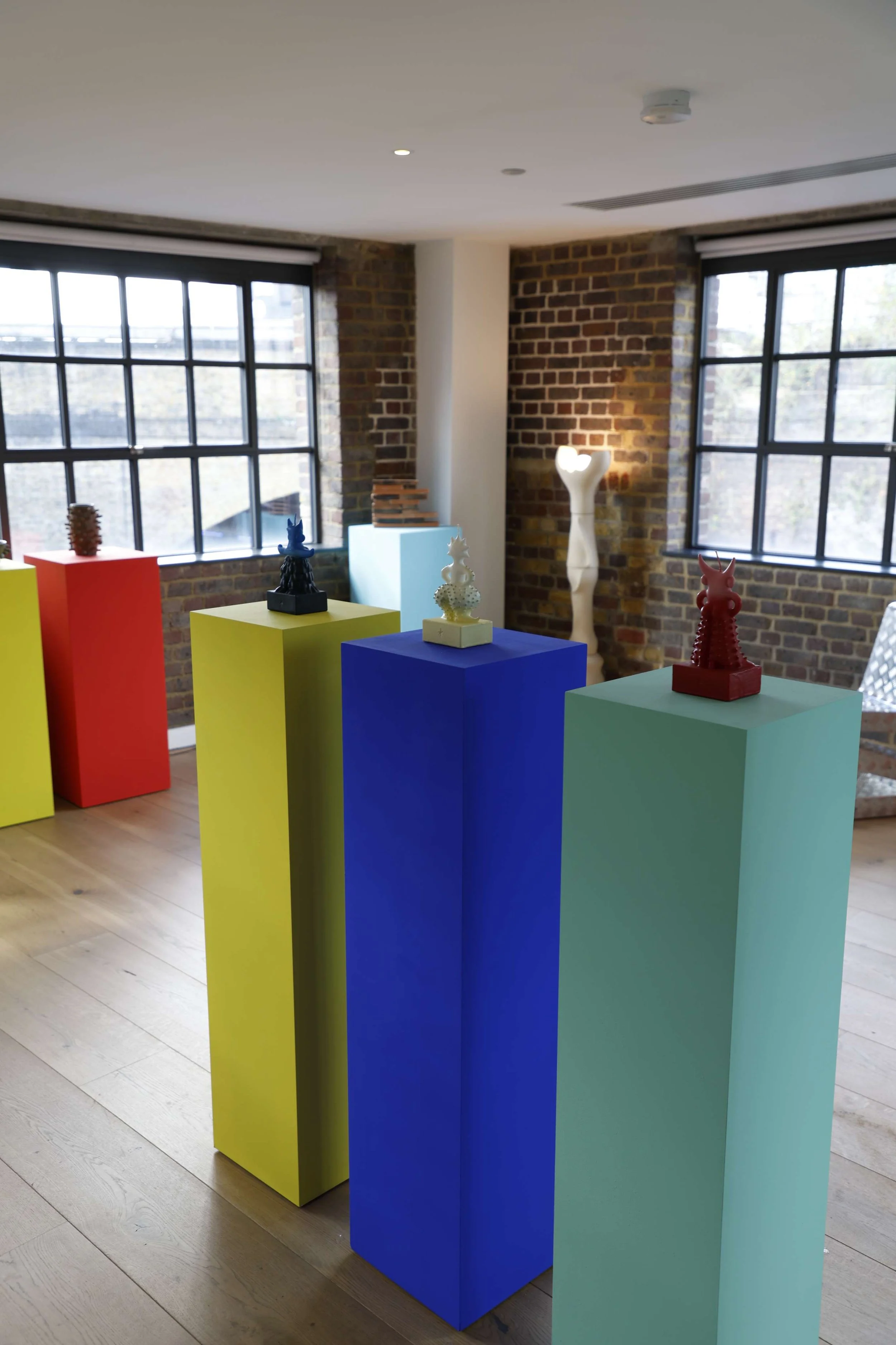
Kiln Shift, curated by Clink Street Ceramics, is an exhibition showcasing emerging and established makers spanning Ceramics, Furniture, Glass, Lighting, & Fine Art. In an intimate space in Borough Market, the exhibition explores the response of artists & designers to post-industrial landscapes and urban environments.
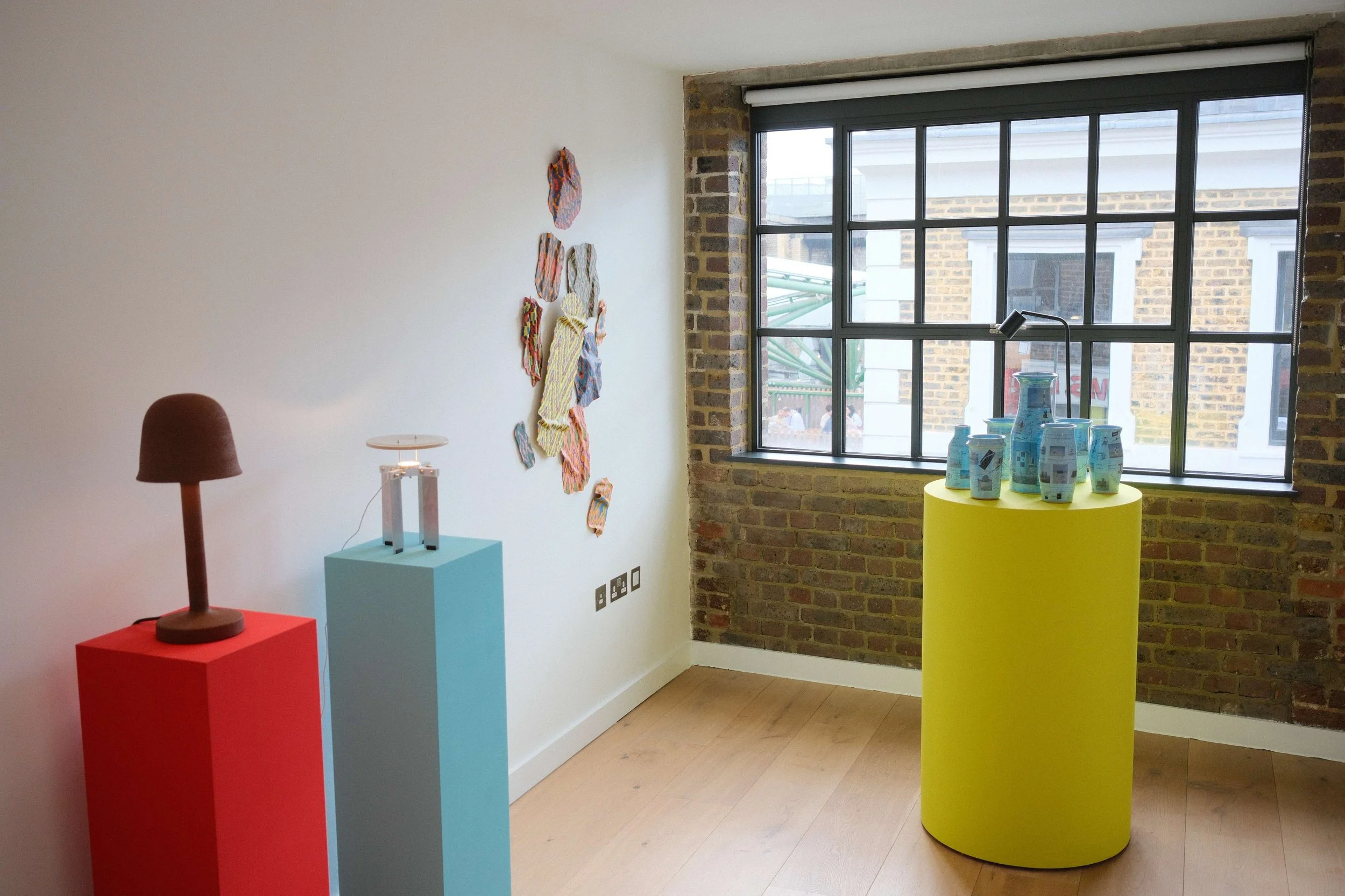
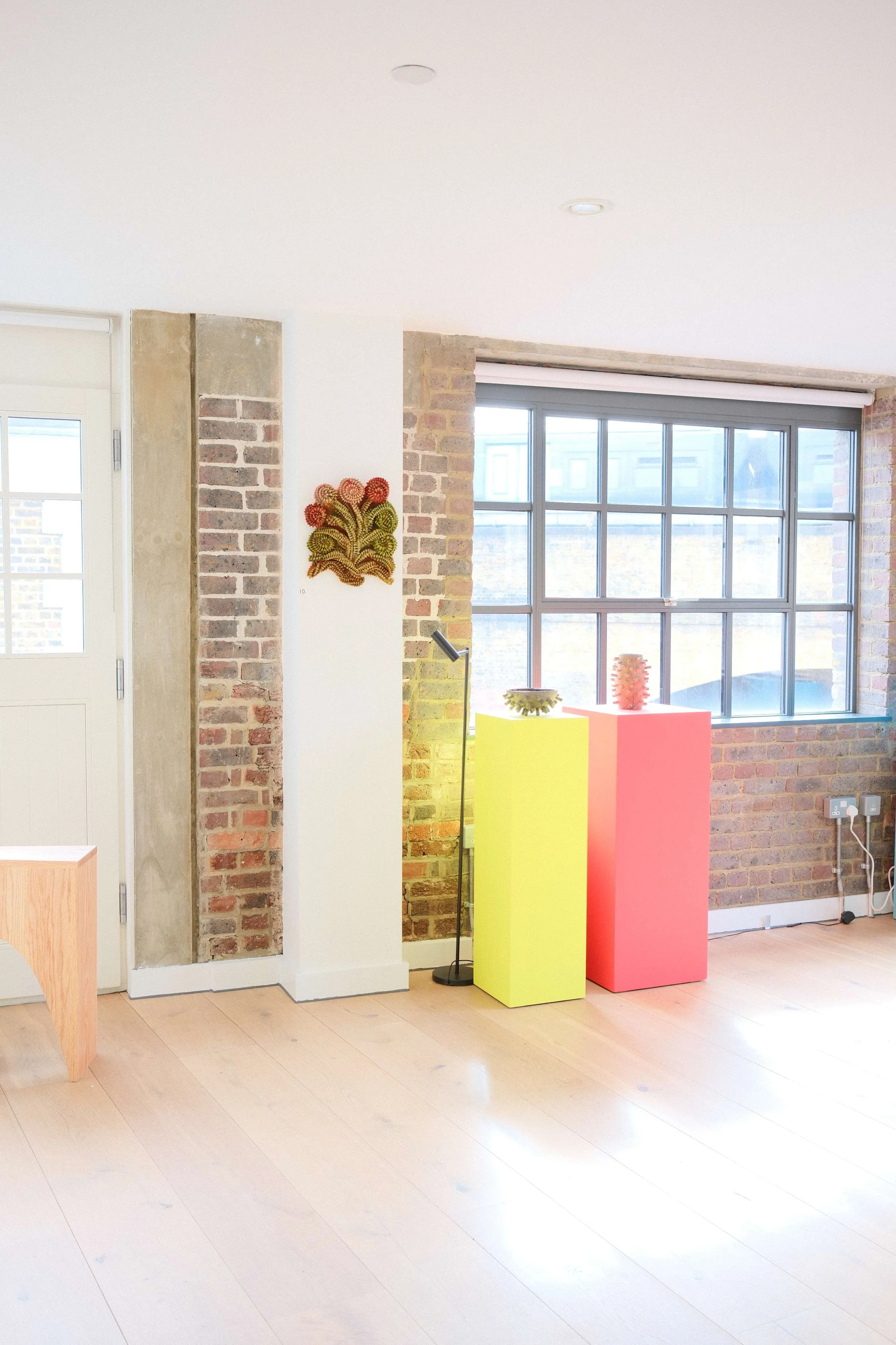
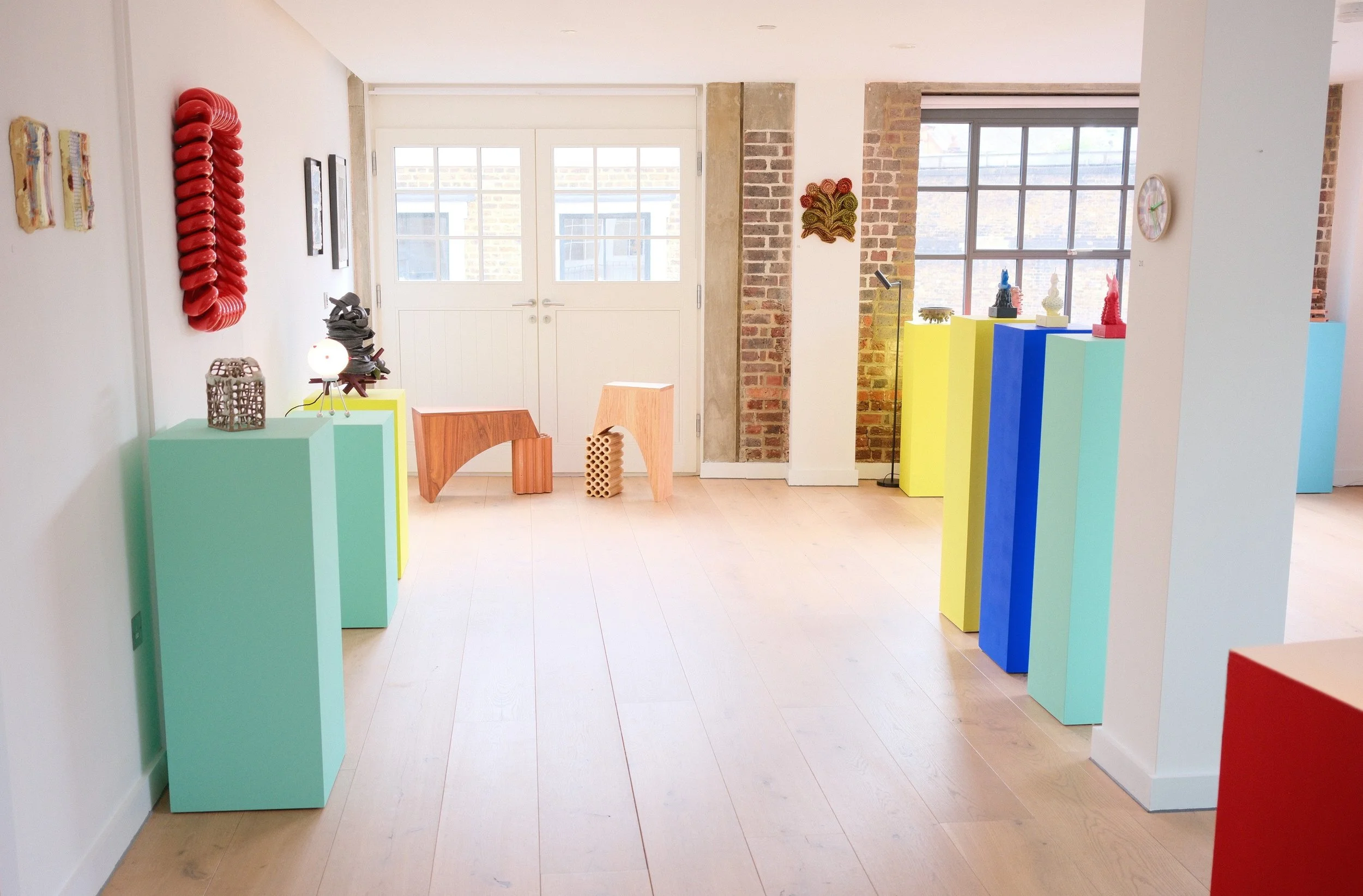
Free entry, and open every day throughout LDF, Clink Street Ceramics is showcasing their own latest bodies of work, alongside new work by over 20 selected artists and designers at the forefront of art, design, and craft.
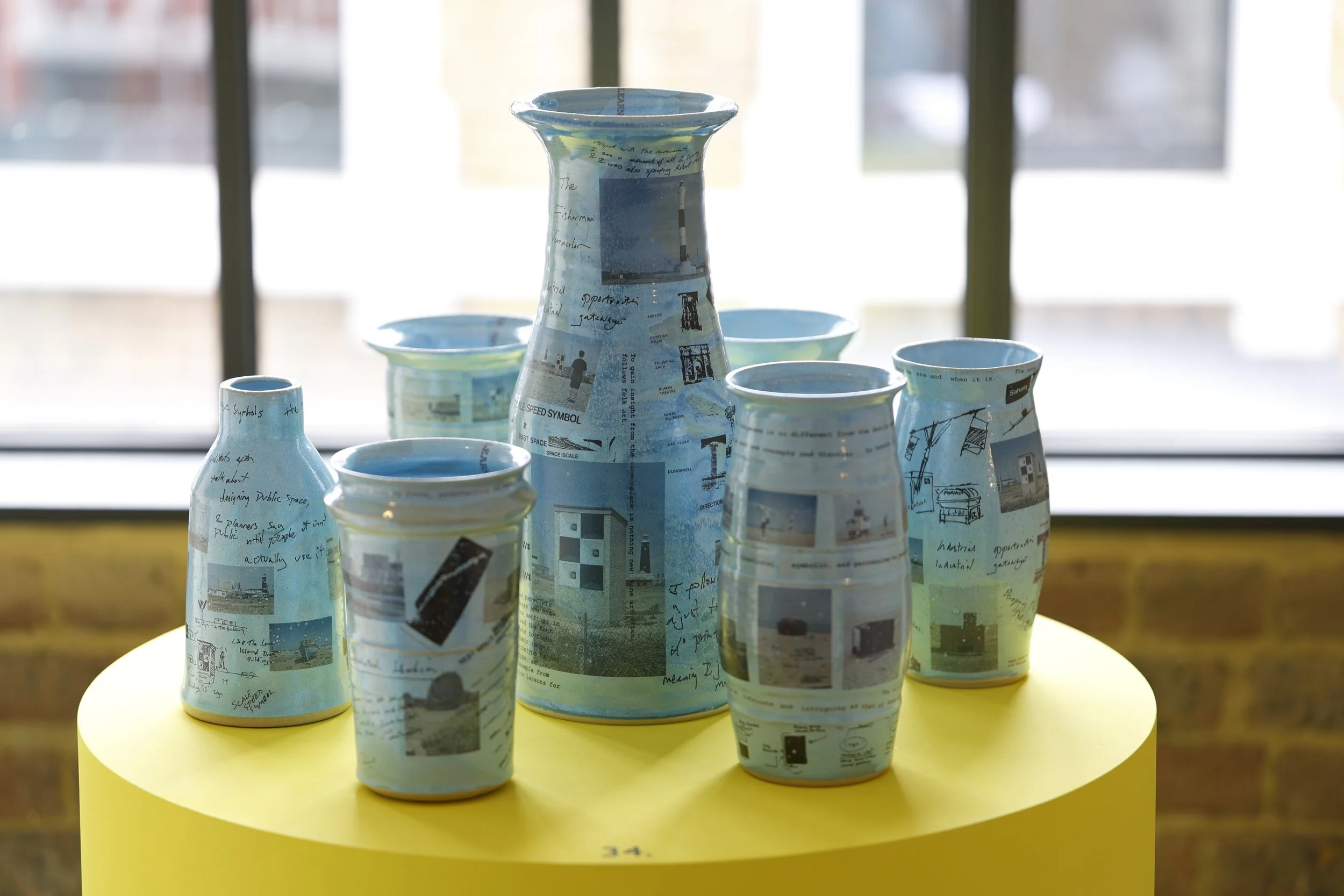
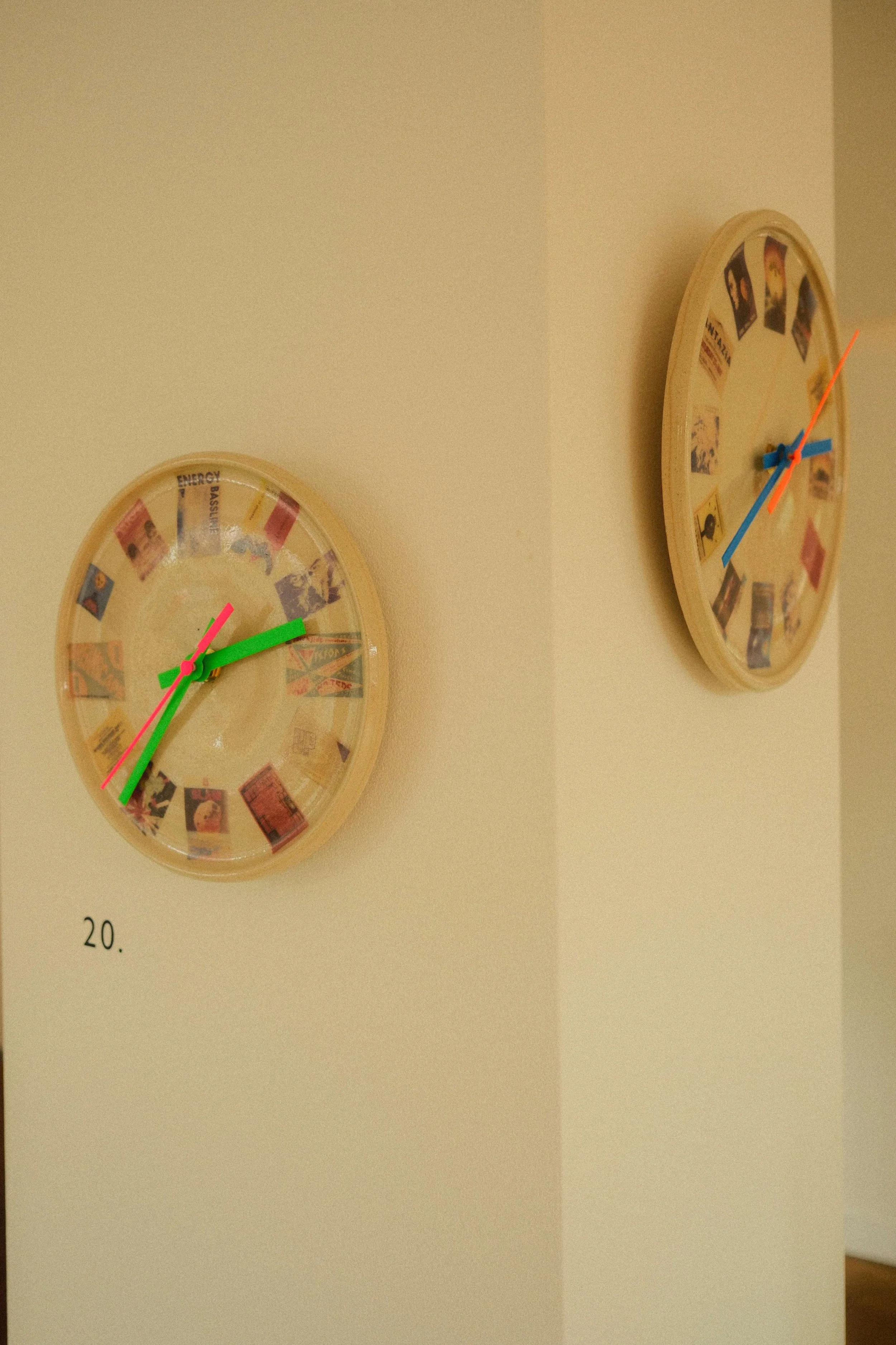
Clink Street Ceramics is a Central London studio founded by potter James Sims in 2014 with the aim of reconnecting ceramics with the city. The studio’s work has been exhibited by Max Radford Gallery numerous times, and in 2025 Clink Street Ceramics teamed up with Max Radford to co-present a major group exhibition titled Dry Cleaning in Borough Market. Over the past decade the studio has built a niche following for its hand-thrown ceramics incorporating in-glaze image transfers that reference Britain’s urban history, architecture, rave culture and overlooked landscapes. Their work is sold by the V&A East Museum and Mill Yard Gallery in Cromford, and they operate London’s only permanent public display dedicated to ceramics - the Clink Street Window Gallery on the Thames Path.
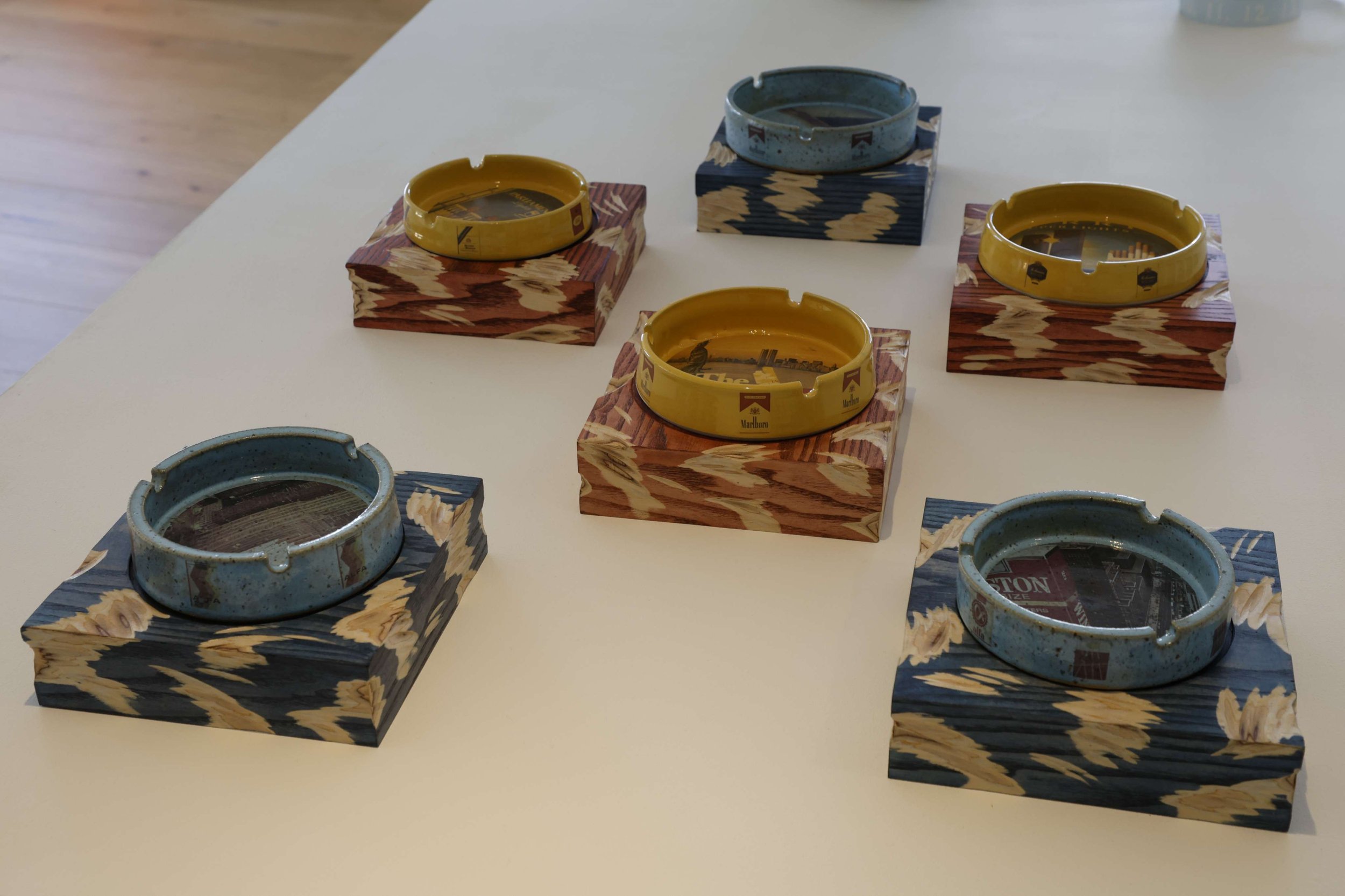
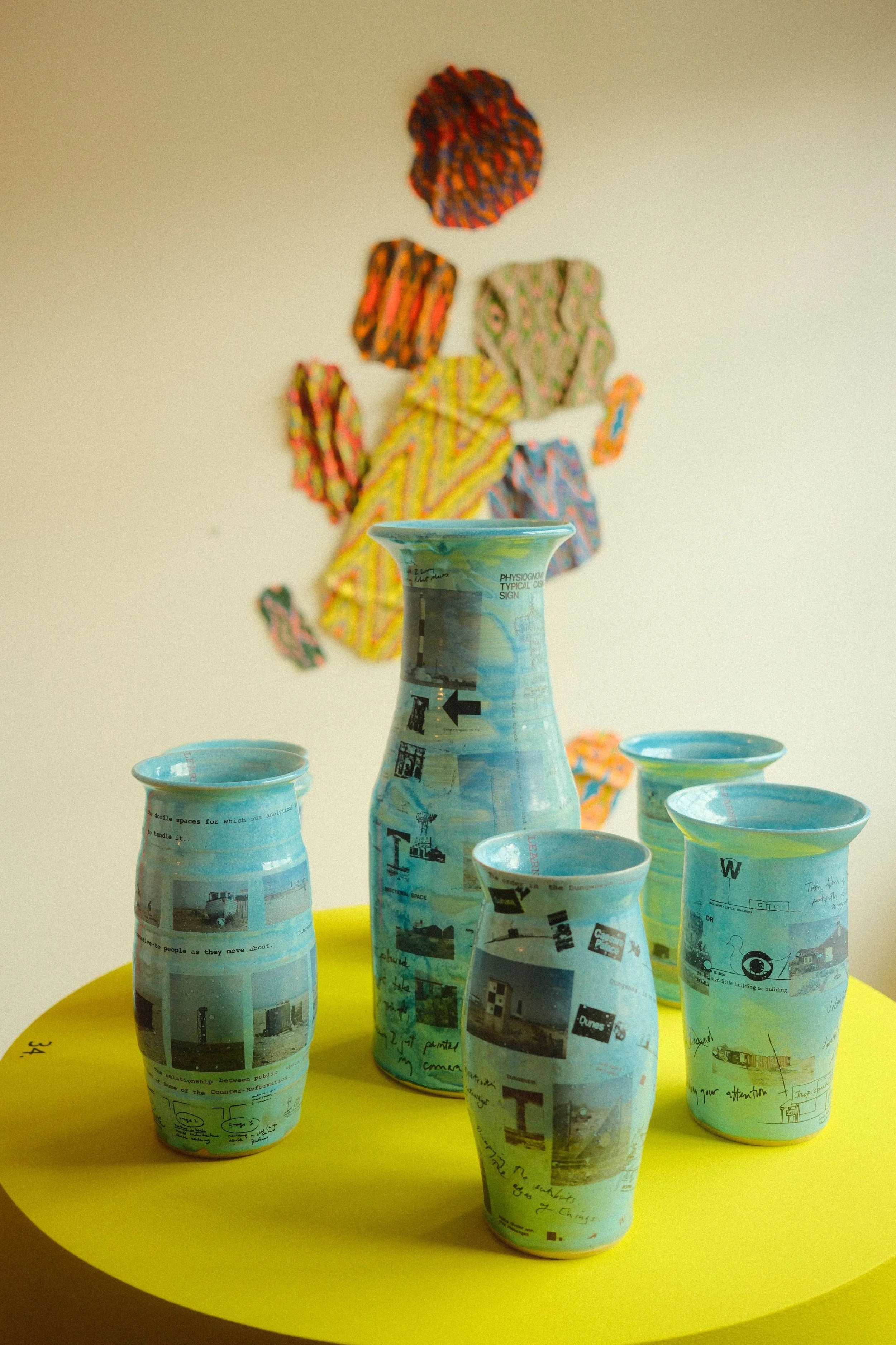
On display at Kiln Shift will be their latest series of work titled “Learning From Dungeness”, and a new selection of handmade ashtrays, the product of a collaboration between the ceramics studio and specialist furniture maker Josh Page.
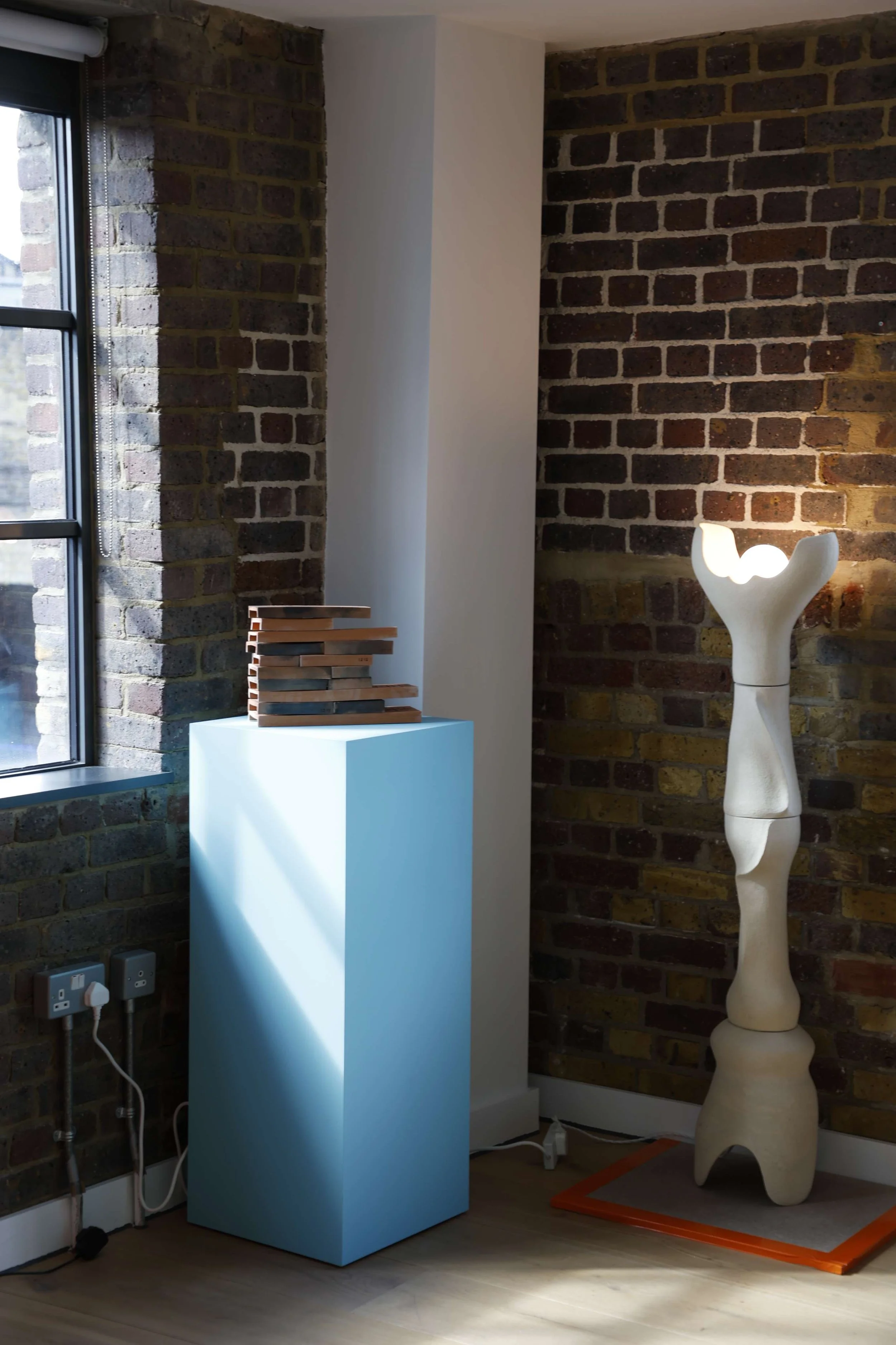
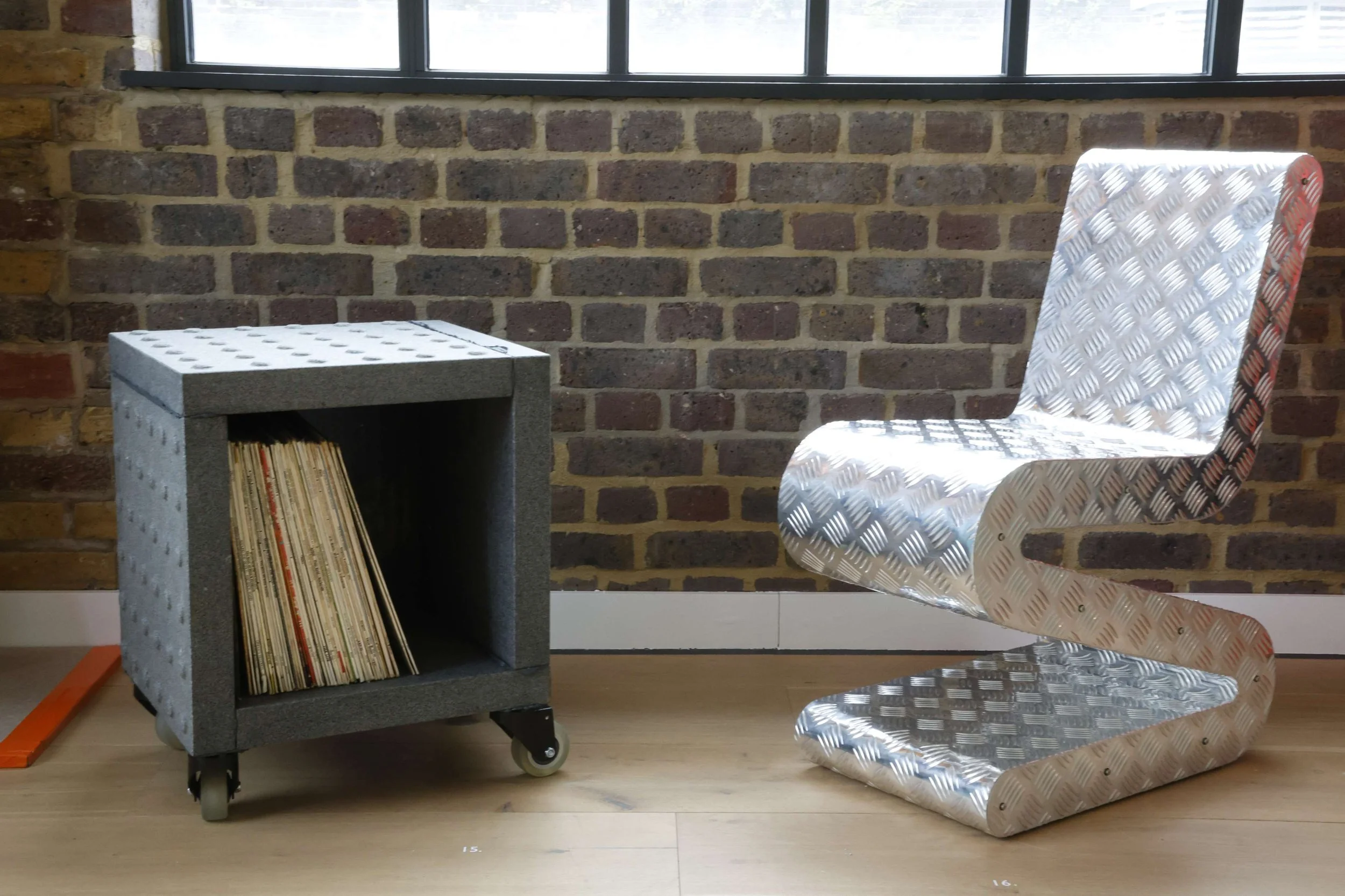
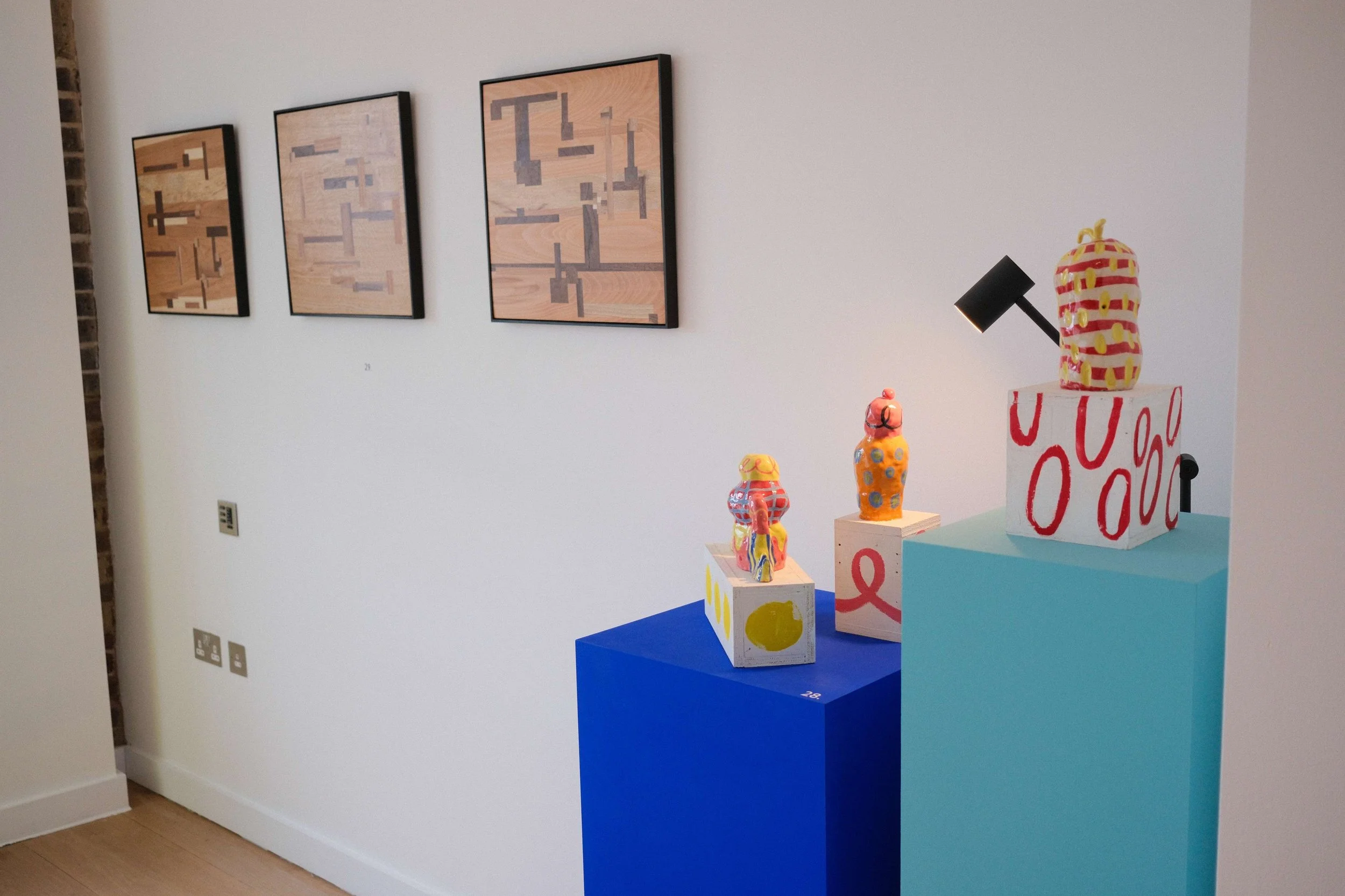
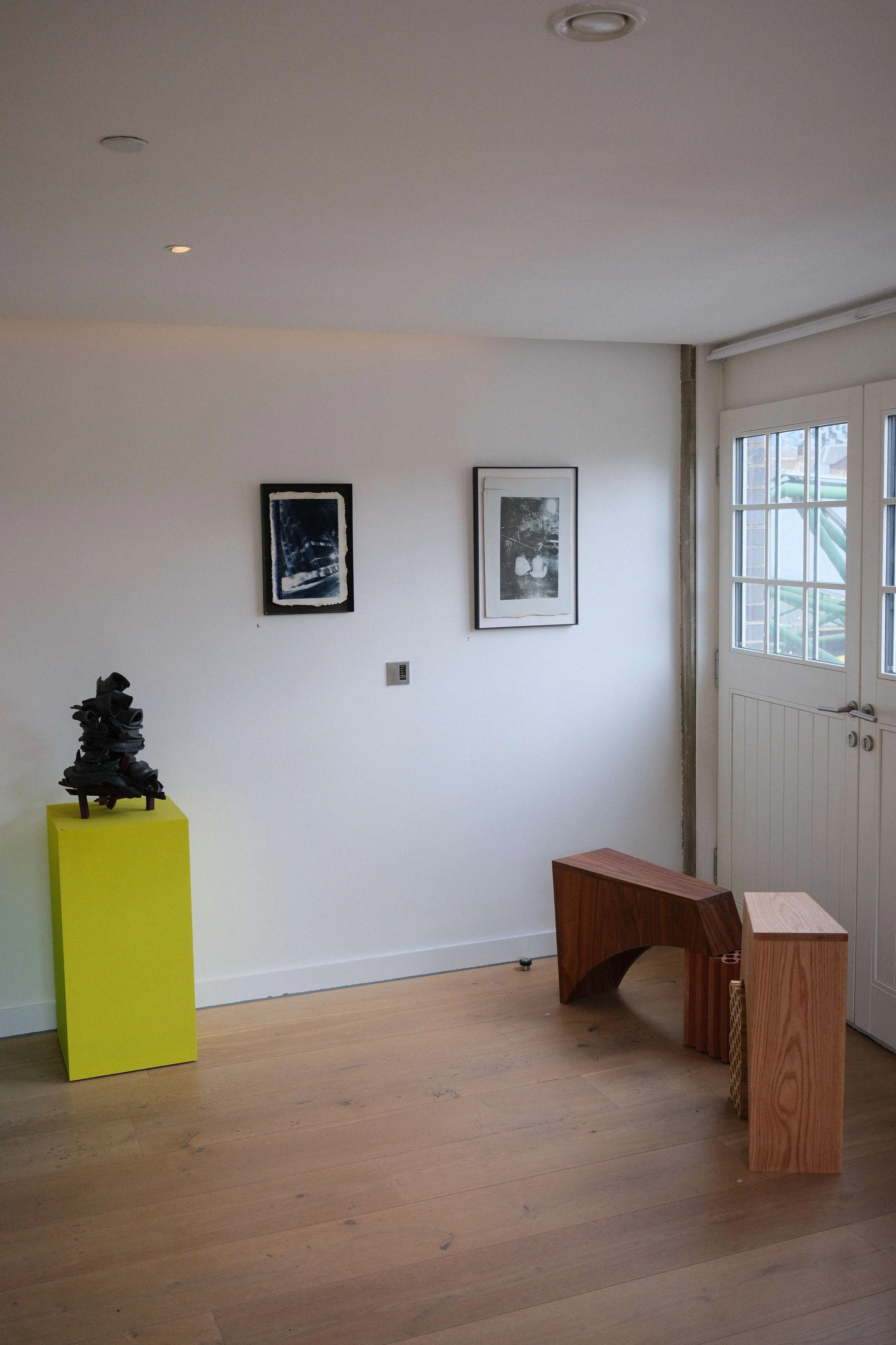
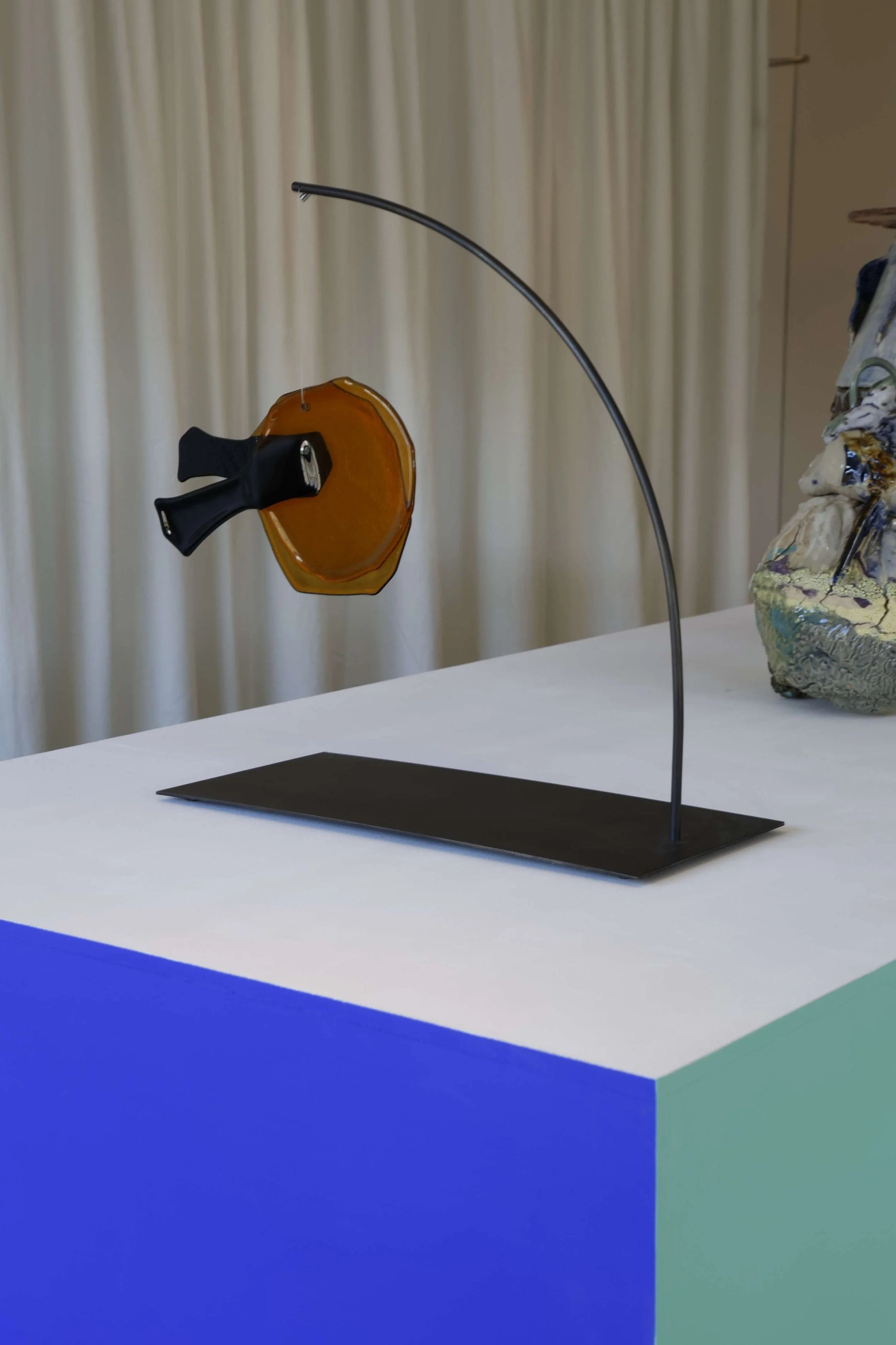
The main focus of the exhibition is the group show, bringing together invited makers working across a wide range of mediums. Artists Julia Ellen Lancaster, Anouska Samms, Holly Hooper & Abid Javed, who will present new ceramic, lighting & glass works, have been exhibited by the gallery previously at their Clink Street Window Gallery. Every other artists whose work is on display is new to the gallery, and the works on show include furniture combining clay and wood, glass and ceramic sculptural pieces, folklore-inspired candles, modular lighting in clay, as well fine art spanning timber inlayed panels, mixed media works, and photography screen printed on porcelain. A number of works are the products of collaborations between artists and designers, re-imagining the DIY lighting aesthetic, and combining materials in unique ways.
Kiln Shift will run from 12th to 20th September 2026 and all works will be available for sale. Located on Winchester Walk, Borough Market London SE1, the show will be at the heart of the LDF Bankside Design District.
The artists included in the exhibition are:
Gail Altschuler, Mandie Beuzeval, Will Carey, Clink Street Ceramics, Alison Cooke, Gigi Cooke & Hannah Baxendale, Lisa Denyer, Hannah Dinsdale, Louis Eager, Julia Ellen Lancaster, Milo Gibson, Holly Hooper, Abid Javed, Ruby Johnson, Sandy Layton, Patrick Lears, Maxim Lester & Audra Grays, Trista Li, Daniel Van Lierop & Aidan Ledward, Oliver Linnell, Josh Page, Relik Objects, Lou Salasca, Anouska Samms, Rosie Wang, Giles Watkins, Maria Zepeda.
The exhibition is presented and curated by Clink Street Ceramics, a Central London studio founded in 2014 by studio potter James Sims with the aim of reconnecting craft with our urban environment. The studio operates London’s only permanent public art display devoted to ceramics; a window gallery in Clink Street SE1, that is part of the Thames Path.
Poster design by Julia Shapiro
Exhibition Photography by Matthew Lovett
Artist Bios:
Gail Altschuler creates narrative, porcelain vessels that document contemporary life. Using vessels and plates as her canvas, she transforms everyday observations into enduring ceramic stories. Working in porcelain, she combines decorative Mishima inlay techniques, sgraffito and painted underglazes beneath a transparent glaze. Her themes include relationships, artists, museums, music and humorous texts, exploring how we connect, remember and communicate in the twenty-first century. Influenced by jazz improvisation and art history, her colourful, expressive work blurs the boundaries between art, craft and illustration, inviting viewers to discover narratives that unfold as they move around each piece.
Mandie Beuzeval is a furniture designer and maker based in the East End of London. Her love of wood and passion for process inform her approach to designing beautiful, modern, versatile, and high-quality furniture. In Mandie’s practice, sustainability and beautiful contemporary design are not mutually exclusive but rather combine to be expressive, timeless furniture. Sustainability is threefold in Mandie’s work. Firstly, sustainable wood and a circular system of using offcuts, saving wood between projects and woodchips providing animal bedding in a local city farm, mean all trees are respected and put to good use
Will Carey: studio WC is the emerging practice of Will Carey, a Glasgow-based ceramicist and designer. He enjoys working sculpturally and playfully, creating poetic forms, often minimal in nature with a curious narrative and focus on materiality. The simplicity in the forms he makes, bely a careful and slow craft. Each vessel is hand built to create pleasing shapes with expressive surfaces tracing the hand of the maker. His work is contained in private collections in UK and recent exhibitions include Holding Conversations, Custom House Gallery (2026), Edinburgh; Coburg Kiln II (2026), Coburg House, Leith; Dear Earth (2026), St Andrews Museum, Fife.
Clink Street Ceramics is a small ceramics studio in Central London, founded by studio potter James Sims in 2014. They operate London’s only permanent public art display dedicated to the exhibition of ceramics, where they exhibit their own work alongside a revolving programme of displays by guest artists. Clink Street Ceramics produces hand thrown ceramics with in-glaze ceramic transfers, exploring themes such as rave culture, urban planning, skateboarding history, and British subcultures from the 1980s and 90s. The studio has successfully worked with Max Radford Gallery and other leading designers, and their work is sold by V&A East Museum and Mill Yard Gallery in Cromford. The practice presents and curates group exhibitions showcasing established and emerging artists and designed working in mediums ranging from ceramics and glass, to furniture and lighting.
Alison Cooke creates projects, objects and installations using clay from sites of historic or geological interest, from mining, engineering or scientific research. Her work digs around the past and future of a location, where histories overlap and impact our lives today.
Gigi Cooke & Hannah Baxendale: Glassblower Hannah Baxendale from Manchester and furniture designer Gigi Cooke from Jersey have come together through a shared passion for craftsmanship, material exploration and playful design. Combining hand-blown glass with contemporary furniture making, their collaborative work celebrates the meeting of two disciplines, creating functional objects with sculptural qualities. Inspired by curiosity, colour and the joy of making, their process embraces experimentation and the unexpected, transforming everyday objects into expressive pieces that balance utility with emotion. Together, they explore how collaboration between independent makers can create thoughtful, contemporary designs that bring warmth, character and delight to everyday spaces.
Lisa Denyer is a London-based artist whose practice sits between painting and sculpture. Working with reclaimed textiles, clay, modelling paste and paint, she creates tactile wall-based works that transform discarded materials into sculptural reliefs. Influenced by urban environments and natural processes, her work explores material transformation, entropy and the histories embedded within reclaimed surfaces. Balancing intuitive gesture with considered structure, she embraces resistance, impermanence and chance, allowing materials to shape the outcome. Her works question ideas of value, permanence and material agency through richly textured, hybrid forms.
Hannah Dinsdale: Dinsdale is a small design studio founded by artist and maker Hannah Dinsdale. It is a collection of functional art objects and an extension of her sculptural art practice rooted in play, kaleidoscopic colours and patterns. The pieces share similarities with nostalgic and everyday things—curly-cord telephones, “99” ice creams, thorny plants, and spiral hair ties. These objects draw references from a mixture of visual material from Victorian furniture, children’s toys, and digital symbols creating unusual yet familiar domestic pieces.
Louis Eager is a furniture and product designer and maker whose practice explores the creative potential of pre-existing objects and industrial components. Working predominantly with readymades, he combines familiar elements through careful assembly and subtle intervention, transforming them into furniture and objects for the home. His work embraces limitation as a design methodology, using constraints in production, materials and access to inform thoughtful, considered outcomes. Through reconfiguration rather than manufacturing every component from scratch, Louis reveals new value in familiar everyday objects.
Julia Ellen Lancaster creates intuitive and materially rich ceramic sculptures that blur the boundaries between fine art, design, and contemporary ceramics. Working with reclaimed clay and recycled glazes, she embraces chance, collage, and free association to produce works that emerge through making rather than predetermined plans. Her sculptures explore ecology, embodied experience, and imagined narratives, revealing the expressive potential of clay as both material and metaphor. Oscillating between permanence and transformation, Lancaster’s work celebrates process, sustainability, and material discovery, inviting viewers to reconsider the relationships between object, landscape, the body, and the stories that materials can tell.
Milo Gibson: My practice is driven by a curiosity about materials and production. I'm interested in how materials, and the processes used to shape them influence the character of an object. My current practice centres on wheel-thrown ceramics, which I design and make in my Brighton studio. I’m interested in the balance between precision and unpredictability, taking a considered and precise approach while working with a material that, by its nature, resists complete control. It is within this tension that I feel most inspired and excited.
Holly Hooper is a London-based artist working primarily in glass, creating richly layered sculptural reliefs that explore landscape, light and material memory. Combining finely gradated colour with intricate surface textures, her work investigates the shifting qualities of dawn, dusk and changing skies, drawing on British weather folklore, textiles and decorative traditions. Hooper graduated from the Royal College of Art and was recently Artist in Residence at the Corning Museum of Glass, New York. Her work has been exhibited internationally, including at the Royal Academy Summer Exhibition, Venice Glass Week and Collect, and has been featured in The World of Interiors.
Abid Javed is a ceramic sculptor, designer and a research scientist, based in east London. His studio practice bridges his background in molecular biology with sculpture design, exploring themes of organismal biology, cellular biology and molecular biology as he translates the biological world into abstract forms and objects. Javed’s ceramics are distinct in their appearance, drawing from references including 20th Century art and design, Islamic art and geometry.
Ruby Johnson: My artistic practice often uses surrealism and abstraction to express my experience moving through the world as a black, queer person and reflects growing up working class in London. Ceramics and oil painting are my preferred mediums, although I experiment multidisciplinarily. I like to encourage others to find their freedom creatively, through workshops for children, and organising creative events. One of which was my exhibition fundraiser, “Disacceptance”, which raised money for Palestine. Currently on a BA Ceramic Design course to gain a deep practical understanding of clay, my dream is to help people understand the power that art has to enlighten, process, communicate, and bond.
Sandy Layton: The bodily experience of touching and manipulating clay is what draws Sandy to this material. Her work emerges through touching, squeezing, tearing or moulding of clay as she throws it on the potter's wheel, extrudes it through dies, constructs it with slabs, or pours it liquid into plaster moulds. Playing with clay and not planning beforehand what she is making allows her unconscious emotions to find expression in the work. In addition to collaborating in this way with her chosen material, Sandy engages in collaborations with other artists either co-creating a joint work or by contributing work made in response to the work and ideas of another artist.
Patrick Lears: I utilise and push material resources; wood, glass, clay and paint with a playful and experimental approach - trusting that some sort of visual harmony is just there, waiting to speak. Most works are developed in layers and stages over a period of time, reflecting the balance between meditation and action. This helps me evolve new conversations, merge unexpected unions and realise new meanings through the media used. In the studio I am looking to engage in the bottomless dialogue between what is and what might be.
Maxim Lester & Audra Grays met whilst studying at the Royal College of Art. Raised in Dallas, Texas, Audra is a designer and artist creating work centralized around material waste. Her current practice pertains to the themes of identity, gender disparity in design, and craft. Raised in London, Maxim’s design practice uses metal and textiles in a handmade style, and explores how values are embedded in objects.
Trista Li is a ceramic artist whose practice is shaped by experiences of movement between places and cultures. Working through material-led processes, she is interested in how connections to places, objects and memories are carried over time, and how they inevitably shift or disappear. Her work often begins with familiar materials, patterns or visual memories, which are transformed through the physical process of making. Clay becomes a way of exploring the tension between preservation and change. Through firing, gestures and traces can be made permanent, while the qualities of the original material or memory can no longer remain intact. Rather than attempting to preserve something exactly as it was, her work considers what is retained, what is lost, and what new forms can emerge through this process of transformation.
Daniel Van Lierop & Aidan Ledward: Daniel is an artist and designer-maker whose practice spans multiple disciplines, grounded in respect for materials, processes, and industrial expertise. His recent work explores how accessible laser-cut and folded metal, alongside stock fixtures and fixings, can create simple design solutions. This approach creates space for craft, collaboration, and moments of intricacy, balancing industrial processes with individual making.
Aidan is an architect and potter whose practice explores the relationship between form, material, and nature. His work is characterised by organic shapes, simplicity, and subtle details, often incorporating soft, tactile surfaces or delicate dimpling. Through ceramics, he creates objects that feel grounded, functional, and connected to the natural world.
Oliver Linnell is a designer and maker based in Stockport. Through a playful interrogation of materials, he develops new ways of making that push against the established boundaries of craft and design. Whether it is by reappropriating hardware from B&Q or subverting traditional ceramic processes, he actively tries to innovate. The objects that he creates are honest and accessible, often using familiar components and forms that bear the traces of these methods of making. Political in his refusal to reform, he hopes to challenge the way we think of design by showing us unconventional ways of making.
Josh Page Studio is a sculptural furniture practice based in Kent, UK. Josh by trade is a wood worker with an education in Fine Art. Through a love of artists such as Picasso and Braque, Josh Page Studio was founded with pieces such as the Picasso Chair, Cubist Bookends and the Apple Chair. Functional homewares of which are playful in form and inspired by art movements such as Cubism. Josh has recently launched two new collections of work including the Thorn and the Acid Collections. All of which are wood based pieces, designed to show the beauty of timber in a new form.
Relik Objects: Relik is a creative practice designing totemic, sculptural objects for the home, conceived to carry symbolic narratives. Drawing on totems, idols and animist traditions, filtered through club culture and queer aesthetics, Relik treats the object as an active presence rather than mere decoration. Alongside its object-based work, Relik creates site-specific installations, temporary temples and collective experiences that extend the same symbolic language into space and time. Since launching in March 2025, Relik has been featured in international design publications and presented during Milan Design Week. Relik is a project by Matteo Maggi and Ludovica Forino.
Lou Salasca: Lou Lolita Anghulina Salasca, I am a designer maker from the French Alps. I really like rocks, water, playing and drawing. The red thread that lead me to making pieces out of clay could sound like an adult version of a Dora the explorer’s quest. Not too serious. This being said, in my visual expression, I tackle quite heavy topics such as the sense of home, belonging to a territory, and human needs and boundaries. Through surface design and material agency I do my best to approach it with light and serenity. Welcome to my world, enjoy the view point!
Anouska Samms: Samms' work is centred on ‘material mimicry,’ drawing on references from contemporary fashion, Art Informel and the 1970s British New Ceramics movement. Materials migrate between works, with the ‘leftovers’ of one piece finding its way into another, or are found to copy each other. Mimicry is not exclusively practiced by animals. From social behaviour to fashion and material culture, humans too imitate resemblances for survival. Through Samms’ assemblage, she draws out how emotional experiences can be disguised. By continually deconstructing these materials, she visually explores the gooey rupturing underneath a protective layer, through the negotiation of textiles, painting and ceramics.
Rosie Wang: Ruoxi (Rosie) Wang is an Edinburgh-based artist and ceramicist who uses tactile craftsmanship for psychological grounding and cultural commentary. Rooted in her background in illustration, Wang uses vibrant chromatic rhythms, humor, and repetitive patterns as therapeutic mechanisms to process personal anxiety and organize internal emotions. Her practice bridges graphic storytelling and three-dimensional clay as a direct response to the continuous tension and anti-stillness of modern industrial culture. By embracing raw, uneven ceramic forms, Wang turns away from the rigid perfectionism of mass production, choosing instead story-led objects that embody organic imperfection. Through playful visual narratives, her work creates brief moments of pause that disrupt the pressure of constant motion. Ultimately, Wang uses humor and color to ease daily friction, offering stillness as a deliberate choice for emotional restoration.
Giles Watkins is a London-based artist working across photography and ceramics. Using an animal tracking camera that automatically captures an image every three seconds, he builds photographic archives of London’s changing landscape. Selected images are screen printed onto clay using oxide-based inks before being transformed through firing. Treating the kiln as a photographic developer, using heat, gravity and chemical change to alter the image, shifting it away from documentation towards something more material and unstable that speaks to the experience of walking through the city. A funded residency at Taoxichuan Art Centre in Jingdezhen, China, expanded his research into ceramic materials, firing processes and image-making.
María Zepeda is a Mexican designer based in London. She holds a MA in Design: Furniture from Central Saint Martins and is a 2026 resident at UAL Greenhouse Incubator. Her practice is rooted in craft, curiosity and storytelling through materials. Working across the space between functionality and artistic expression Maria’s experimental approach bridges these two disciplines creating sculptural furniture that balance utility and cultural narratives. Through the mediums of clay, ceramic and wood she explores material relationships as dialogue expressions of cultural identity translating them to objects and furniture as a site of coexistence, where materials reveal our shared relationship with place, craft, and design.