 Image 1 of 5
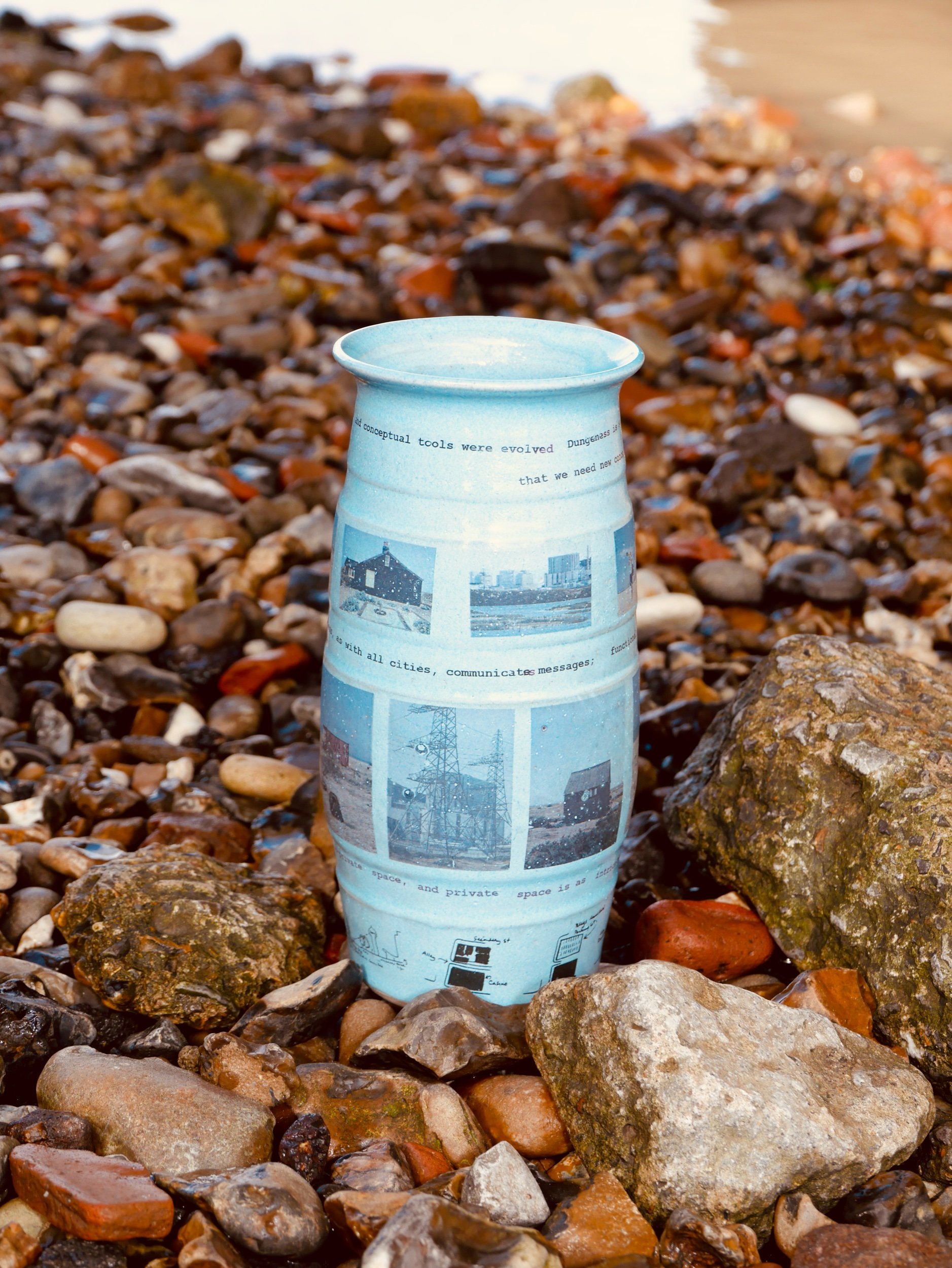 Image 2 of 5
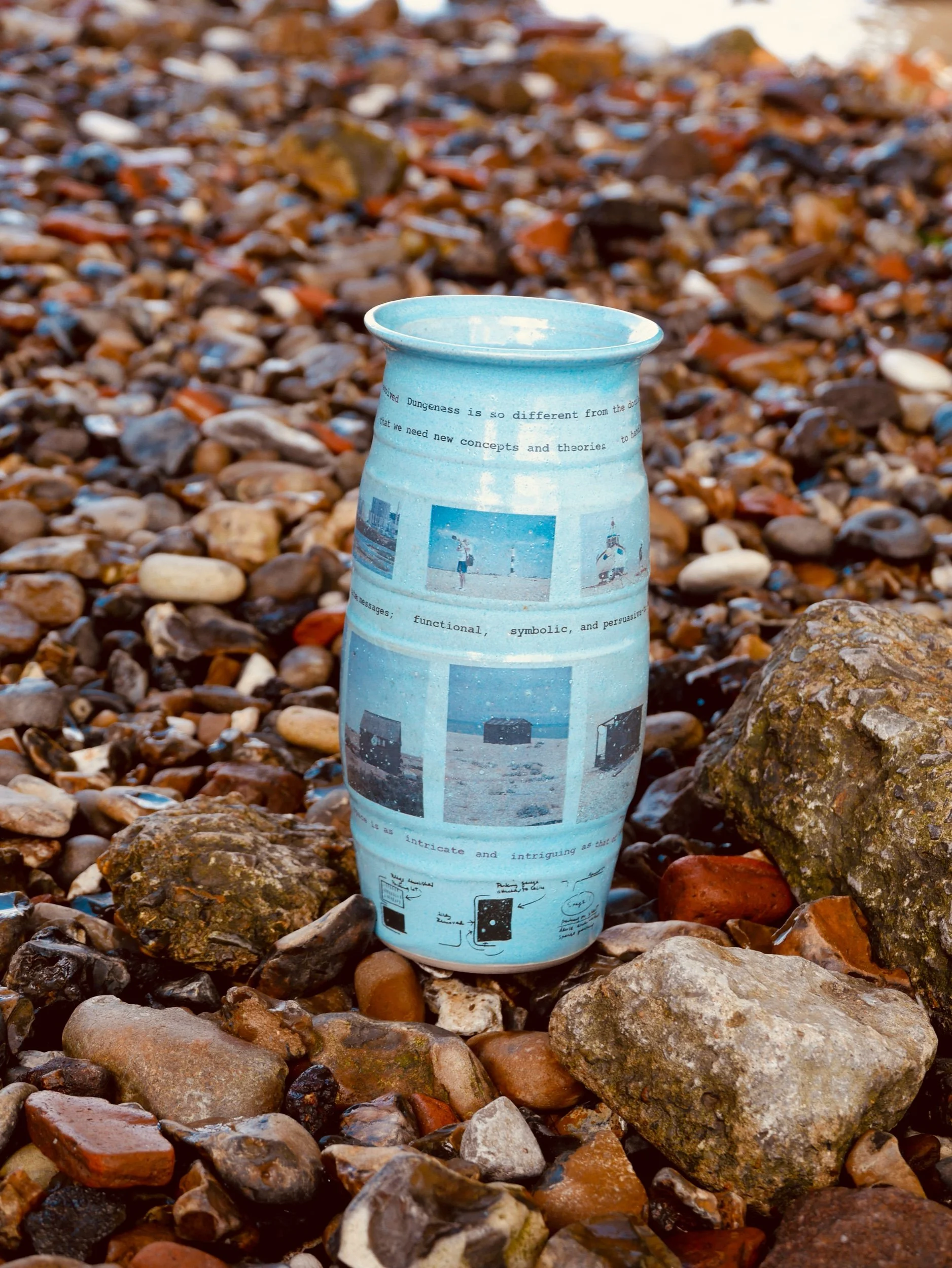 Image 3 of 5
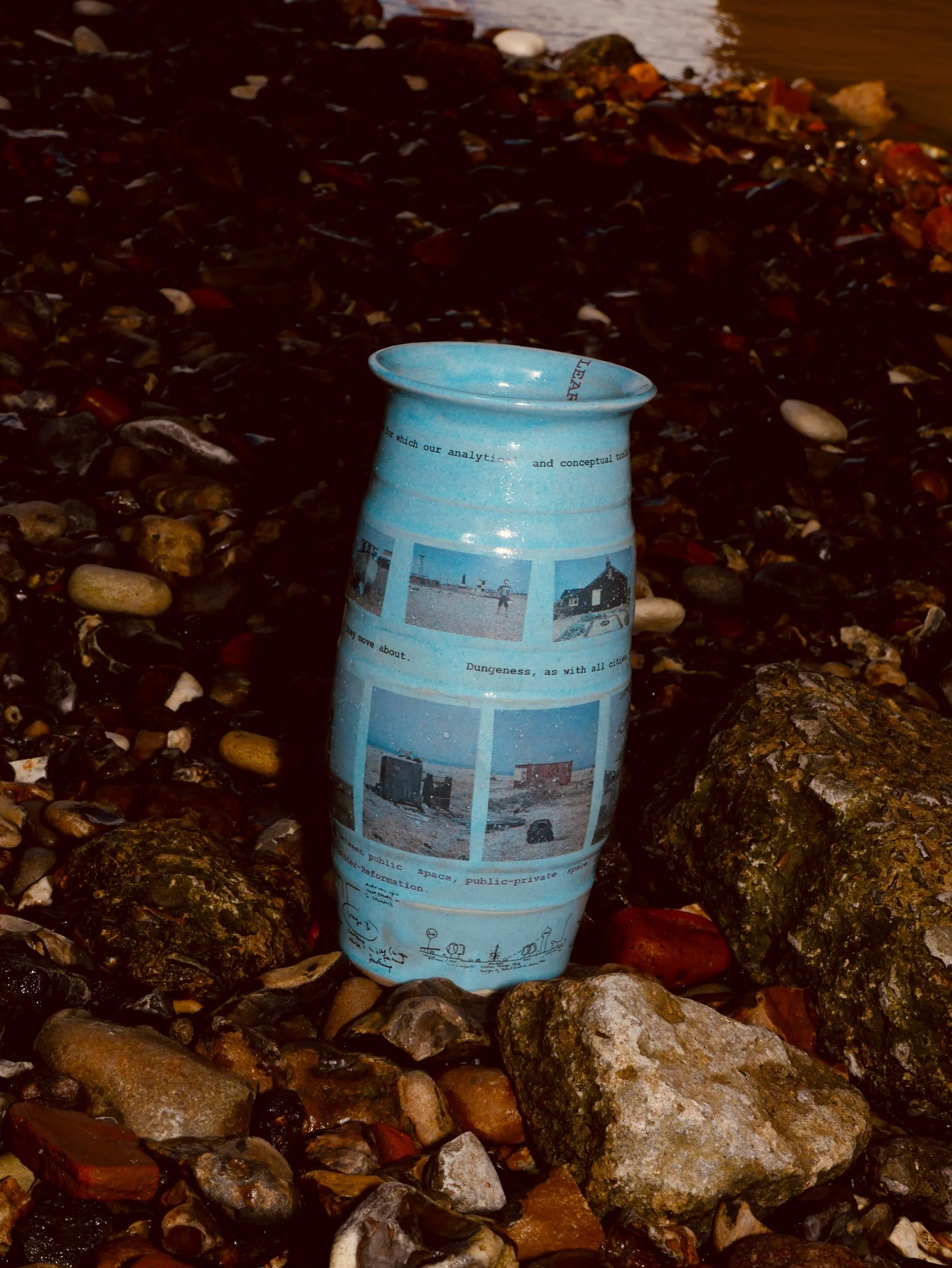 Image 4 of 5
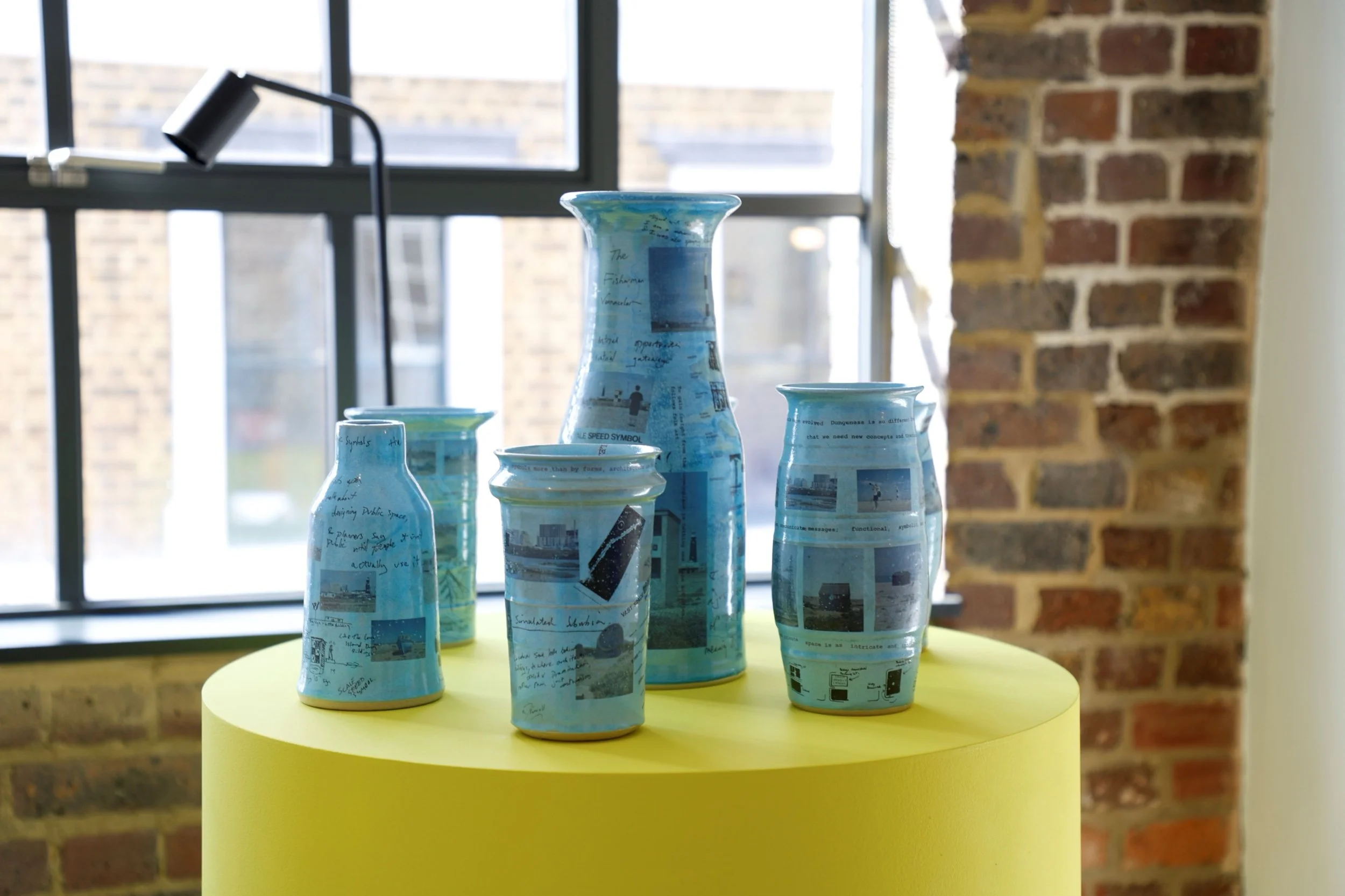 Image 5 of 5
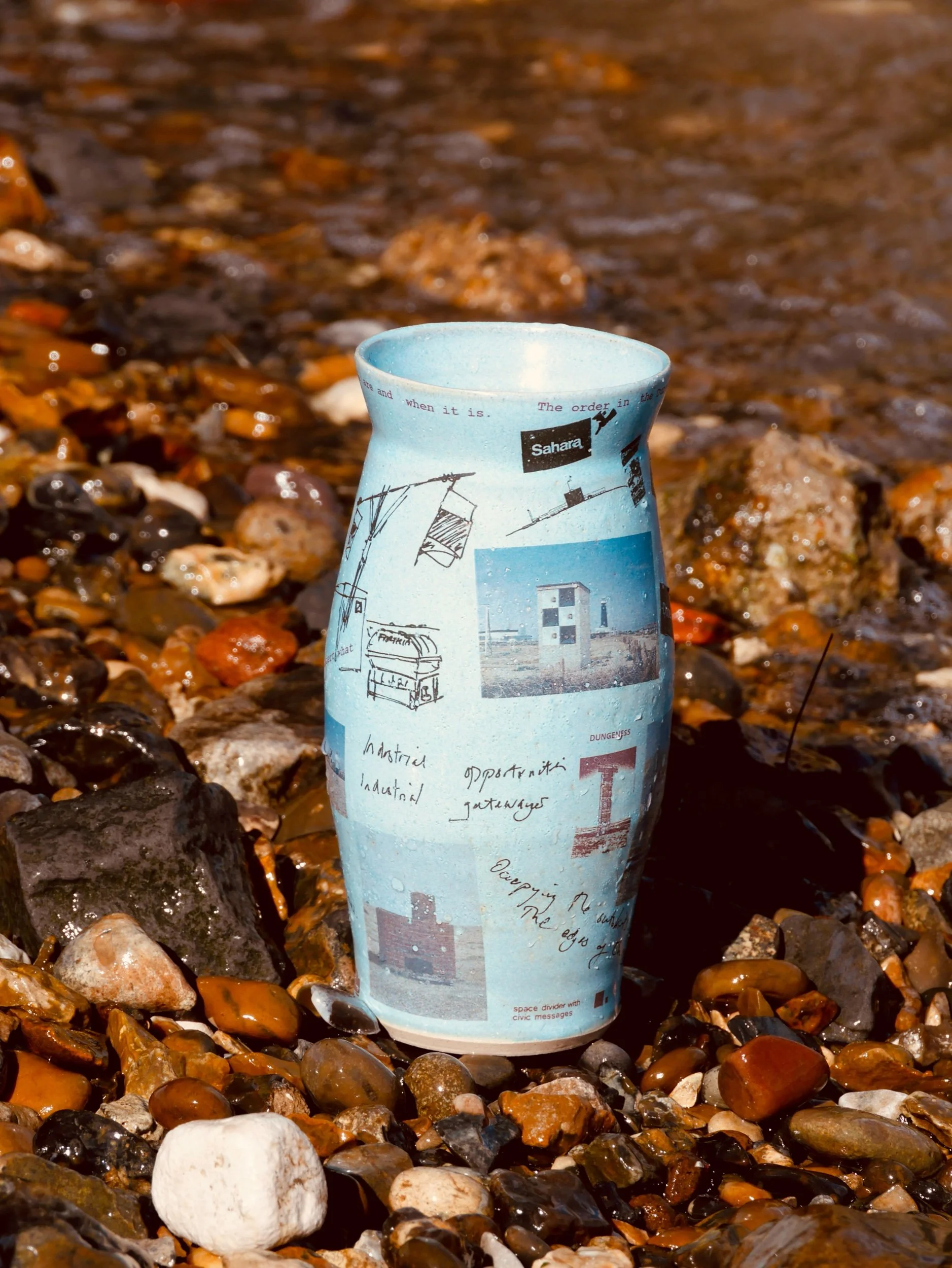
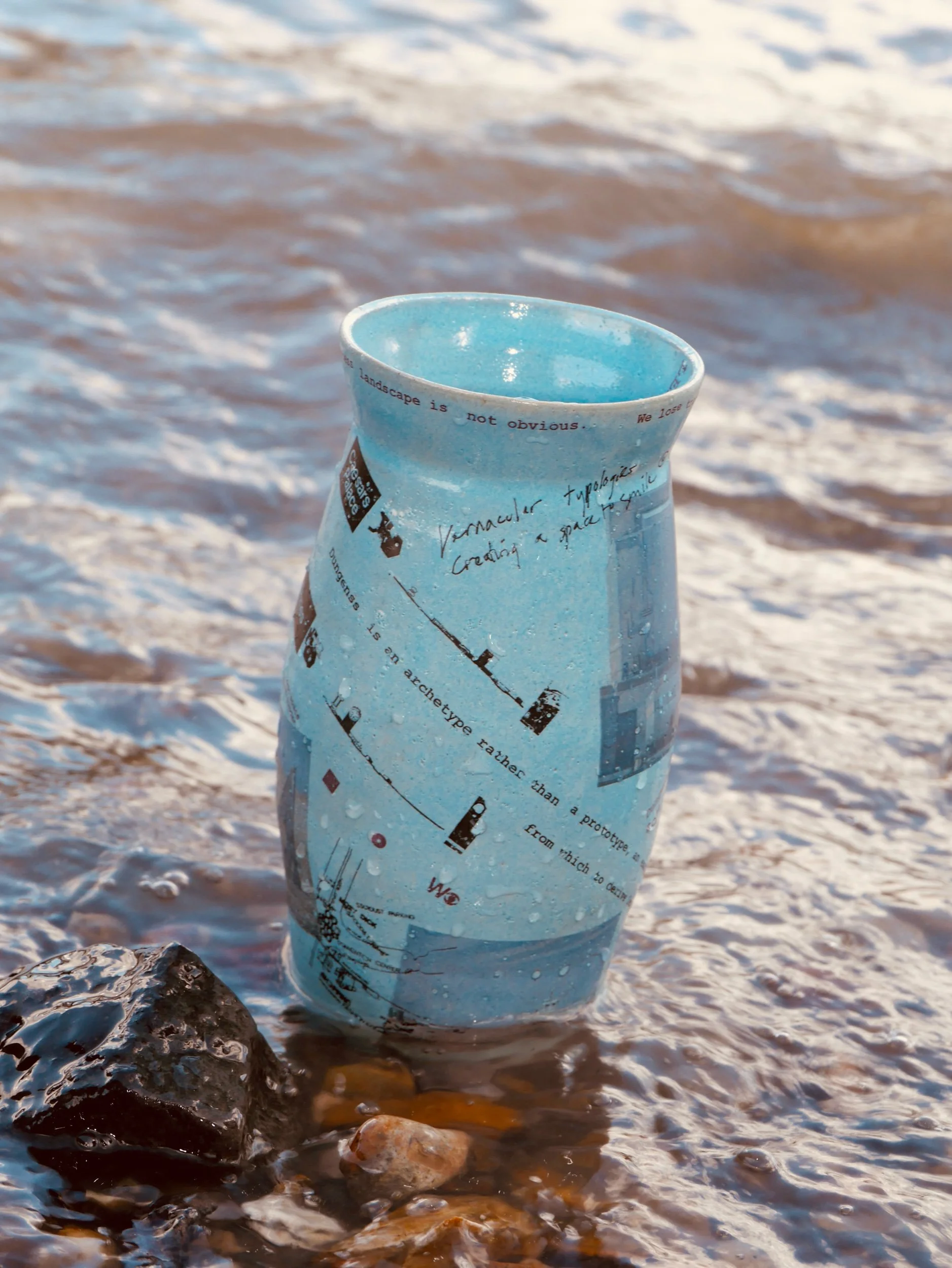
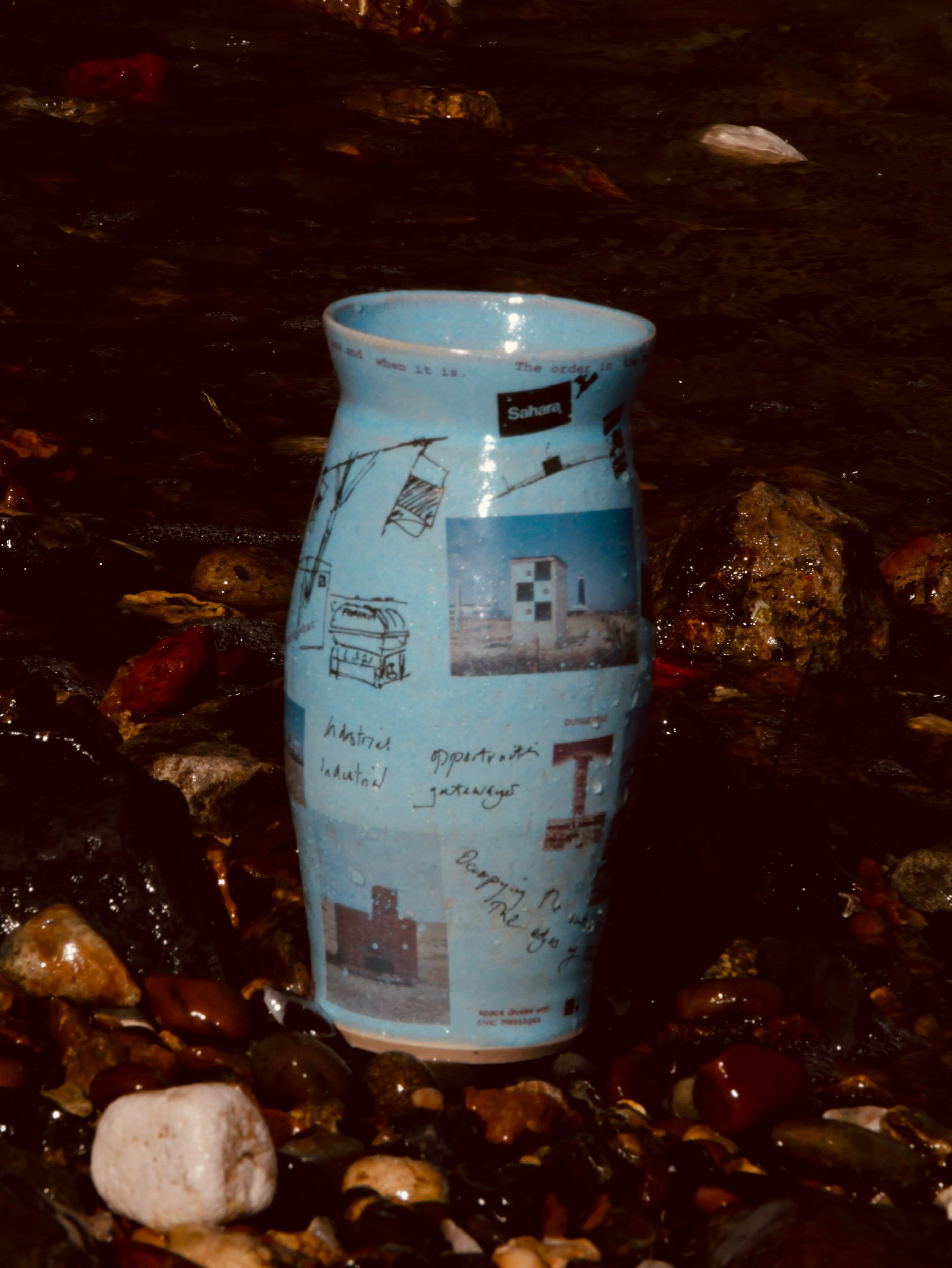
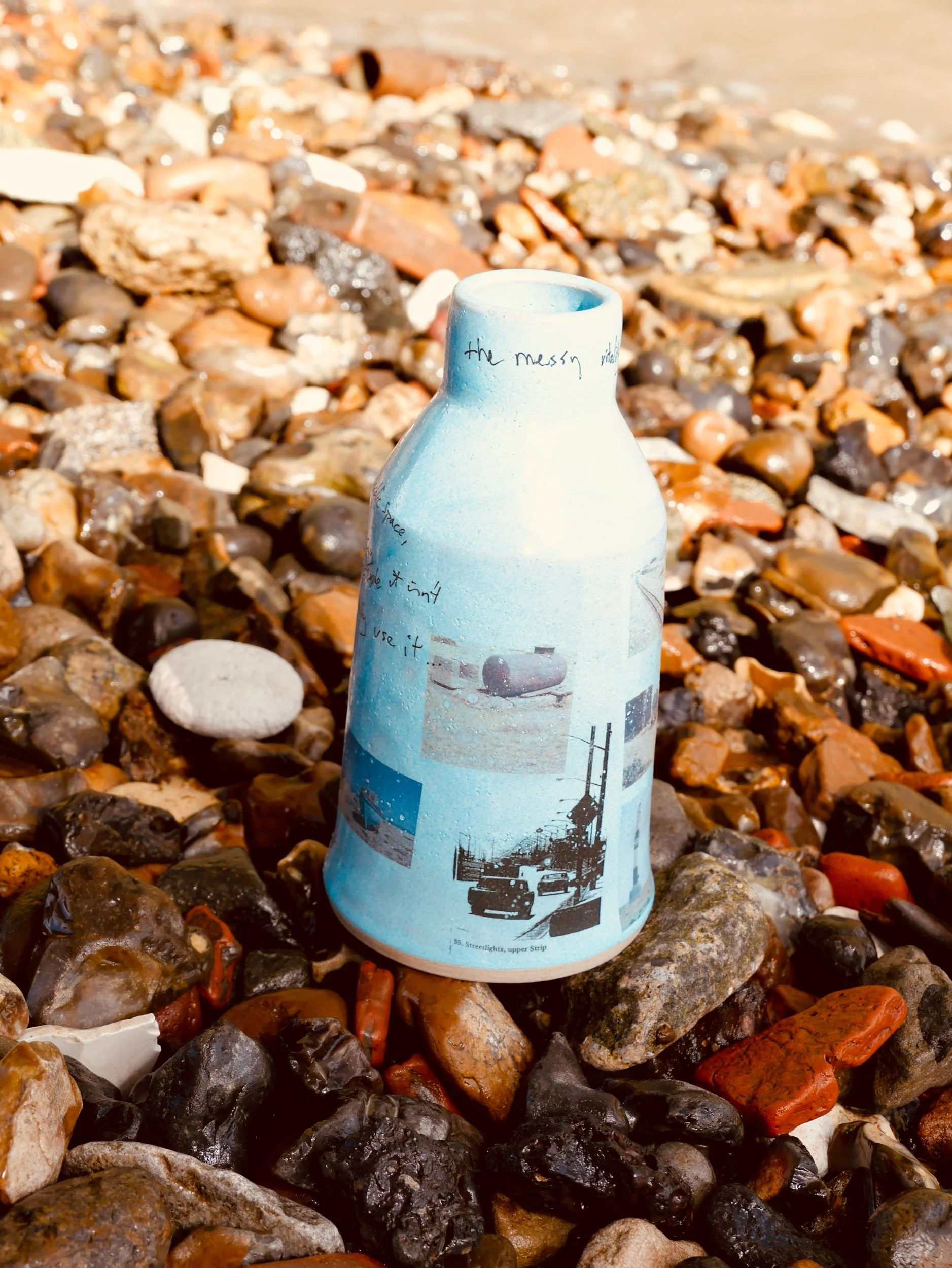
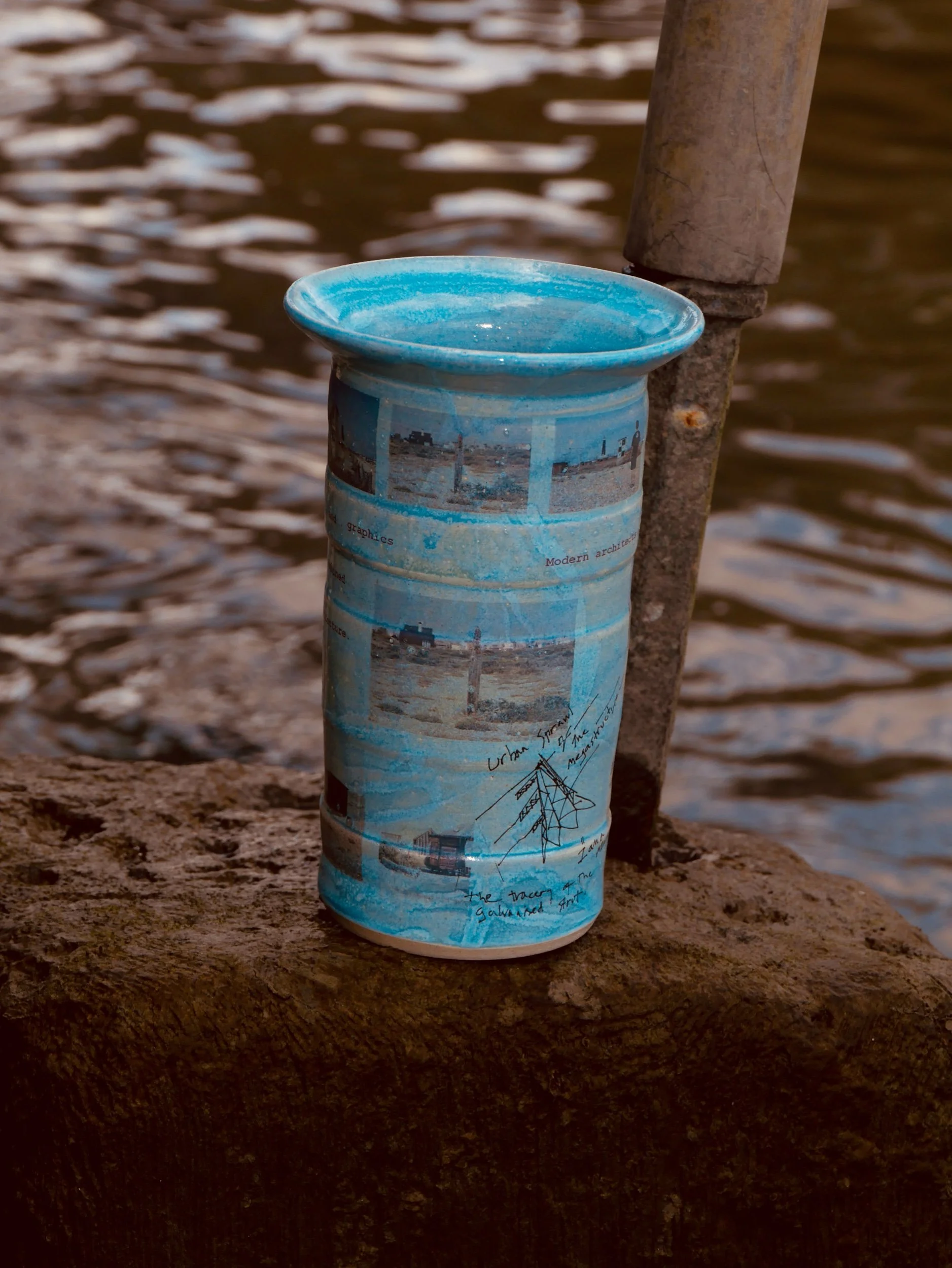
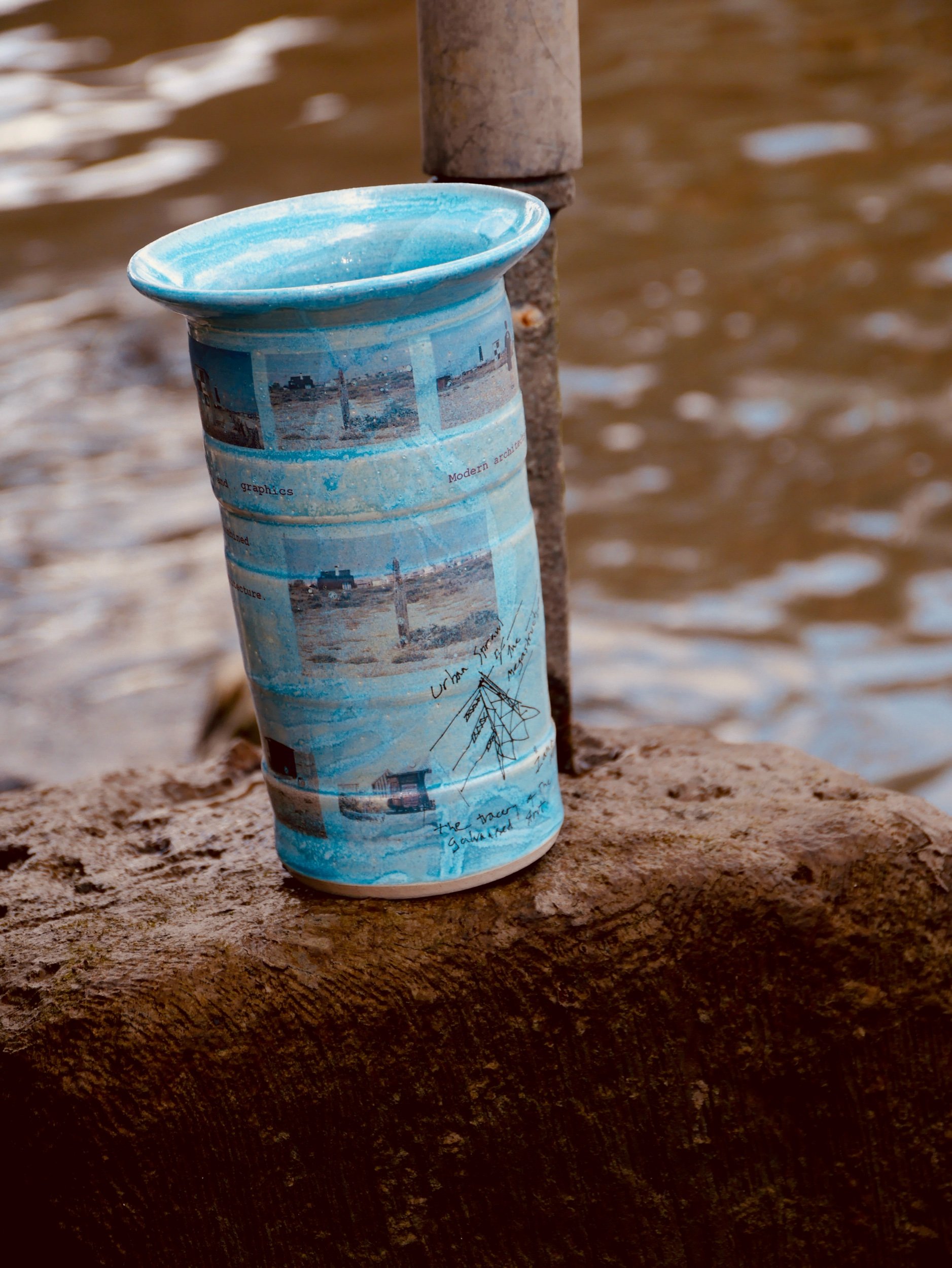
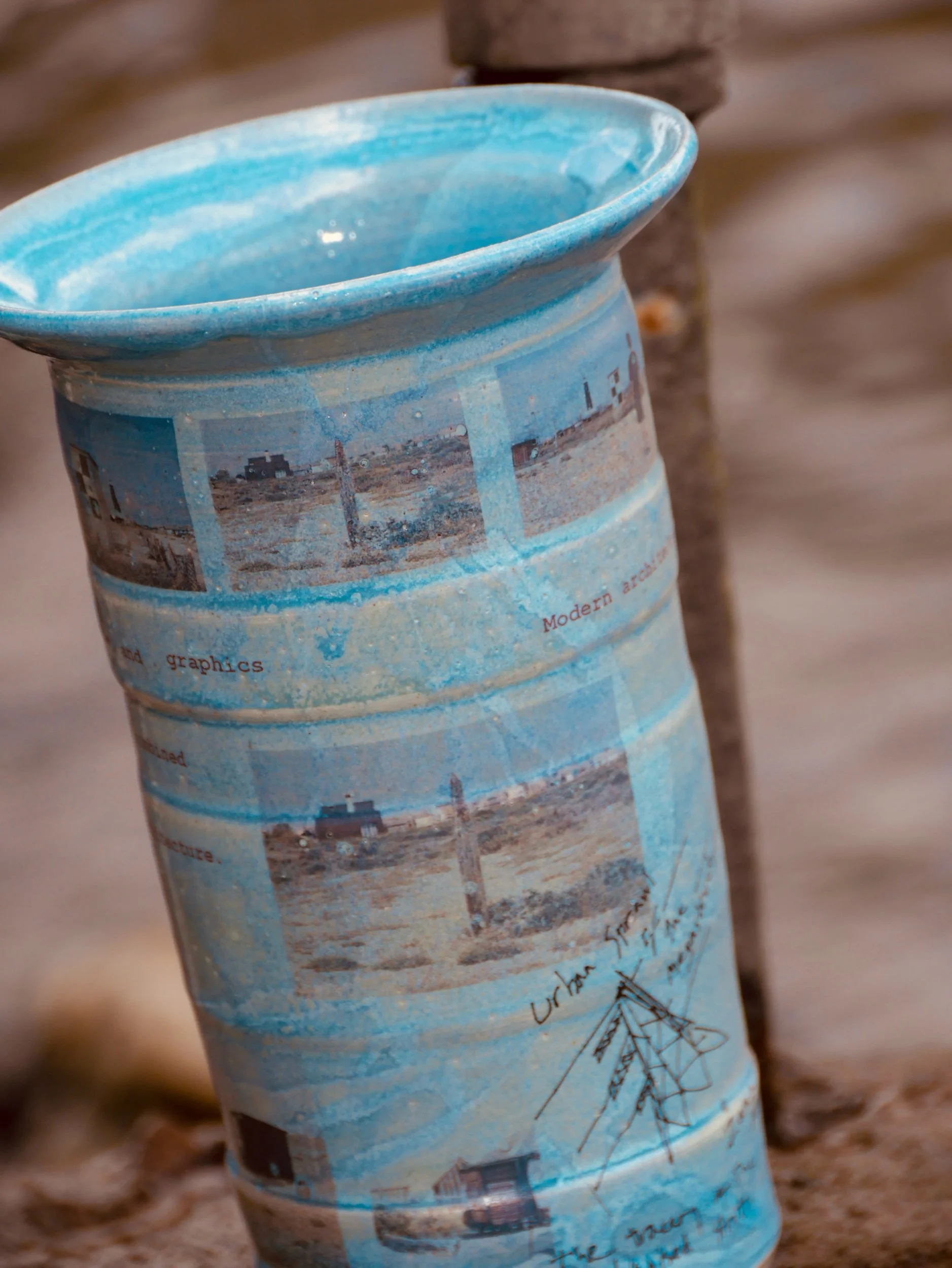
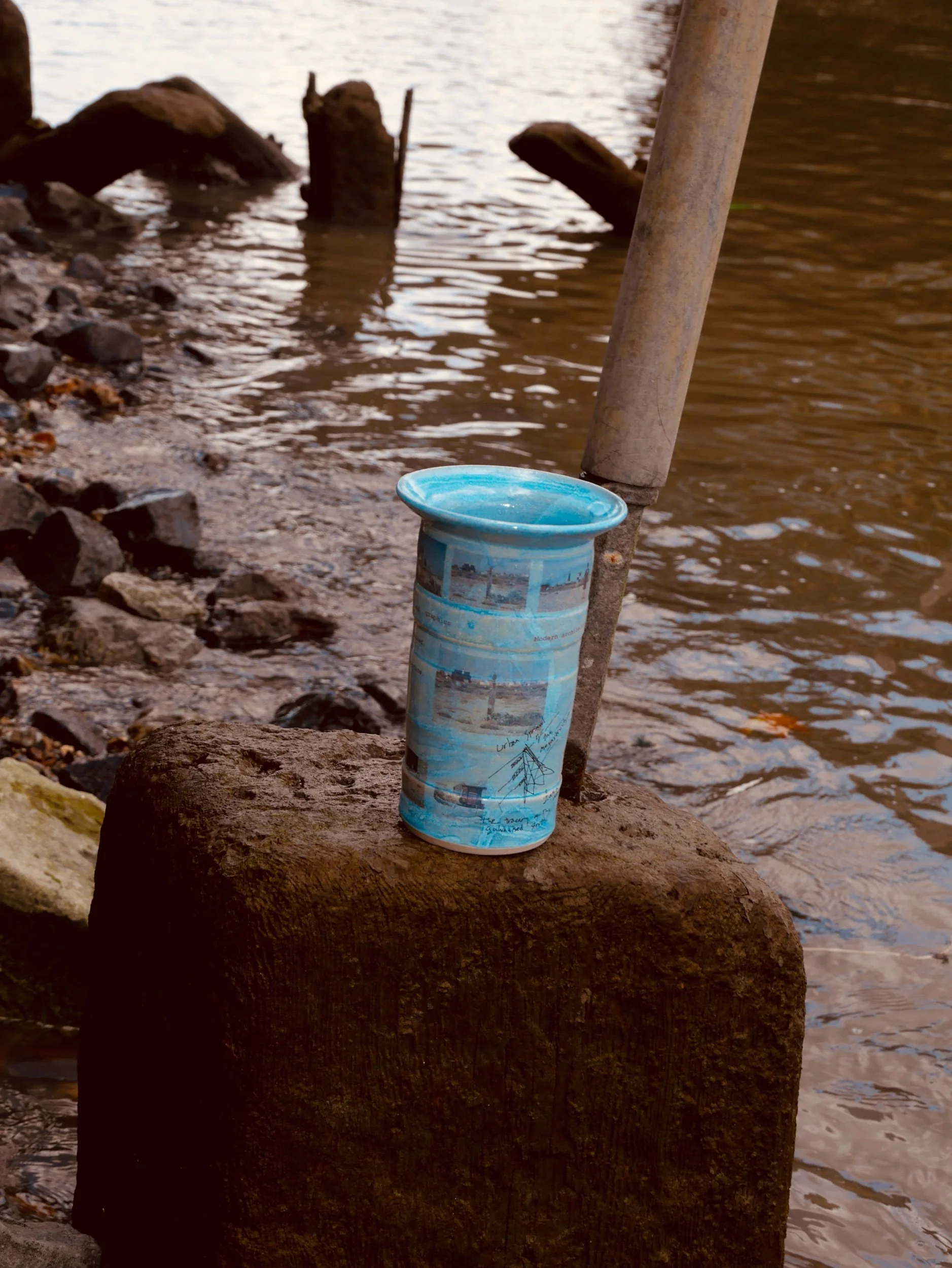
A hand thrown stoneware vase.
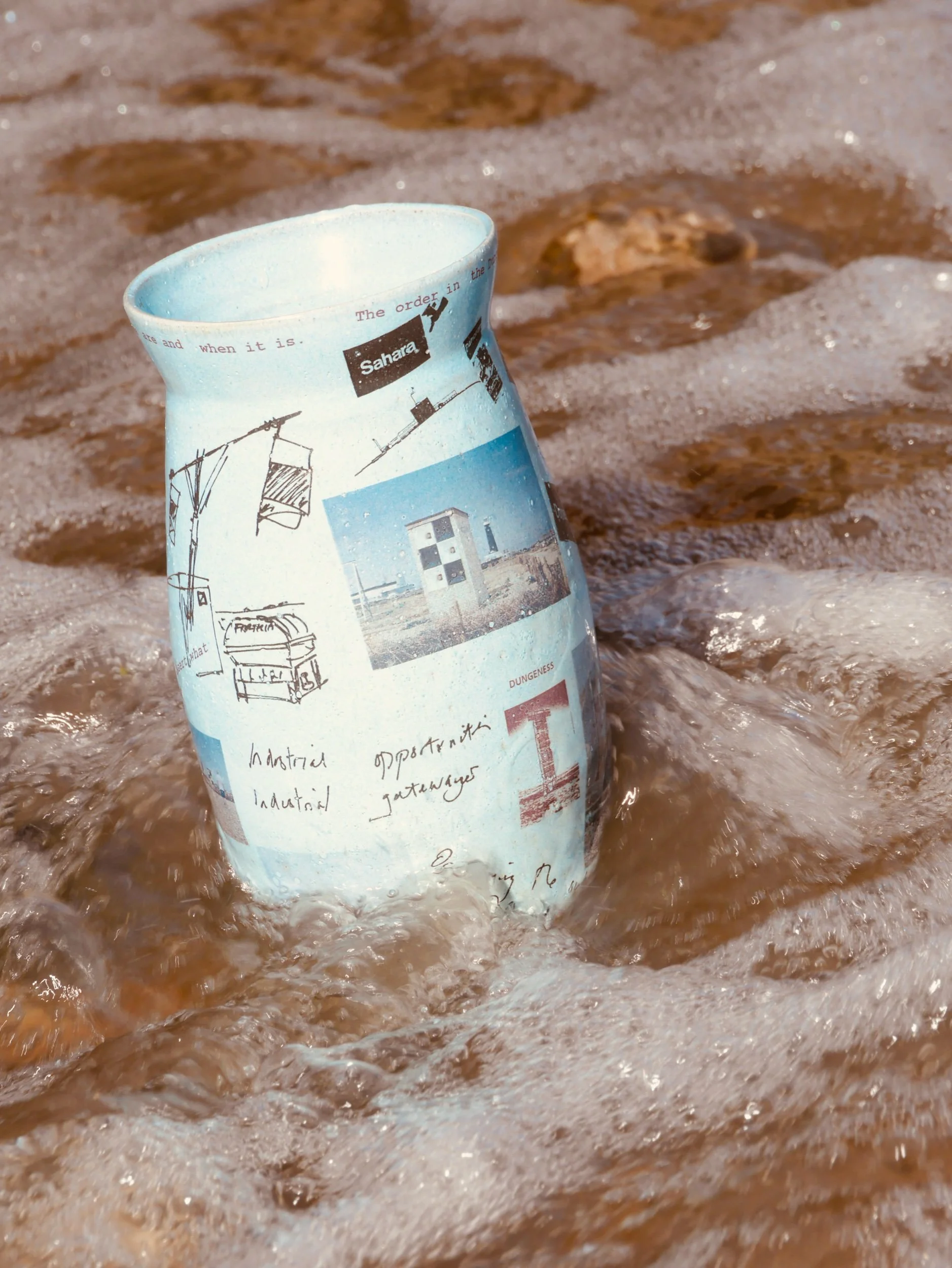
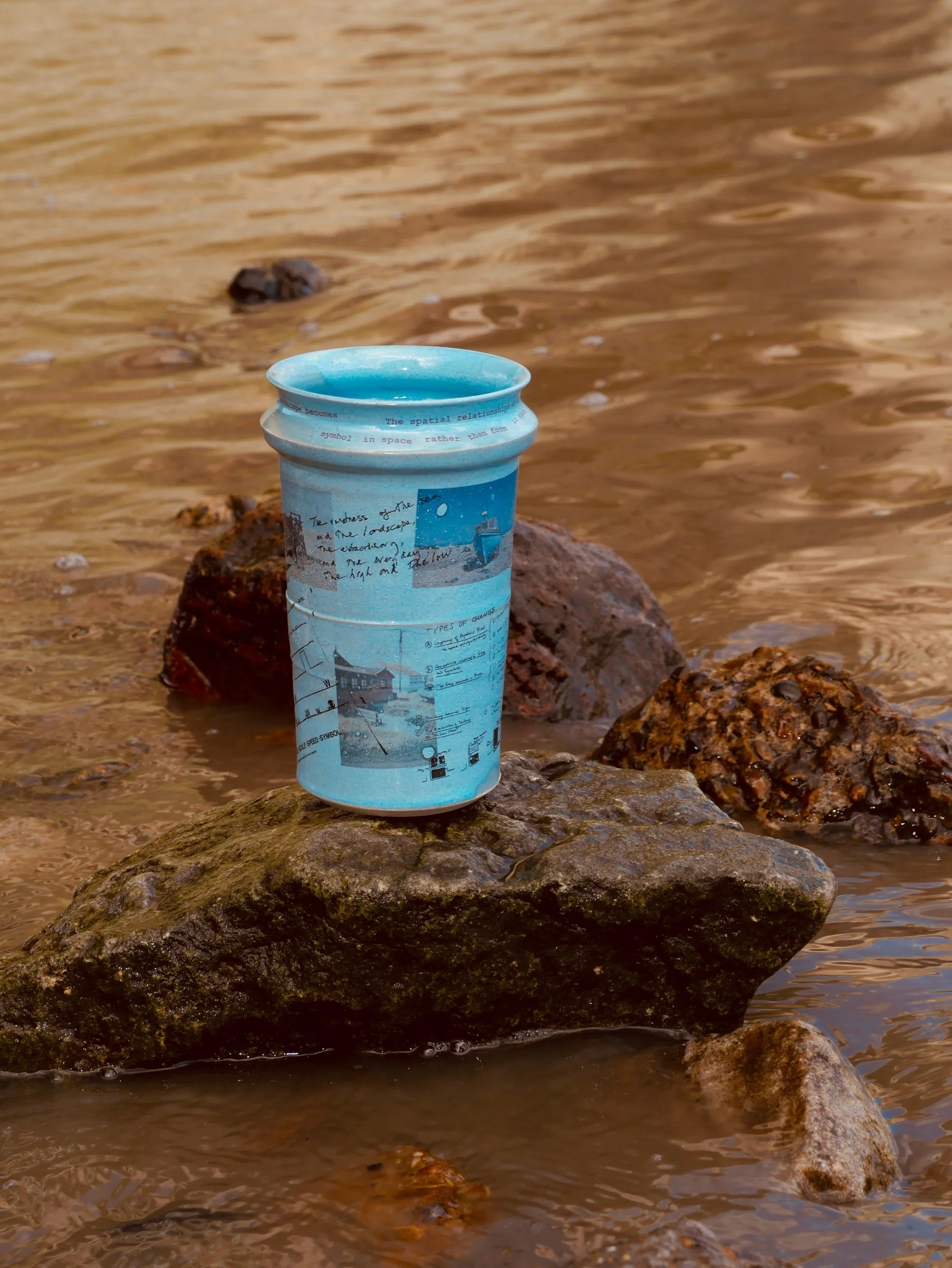
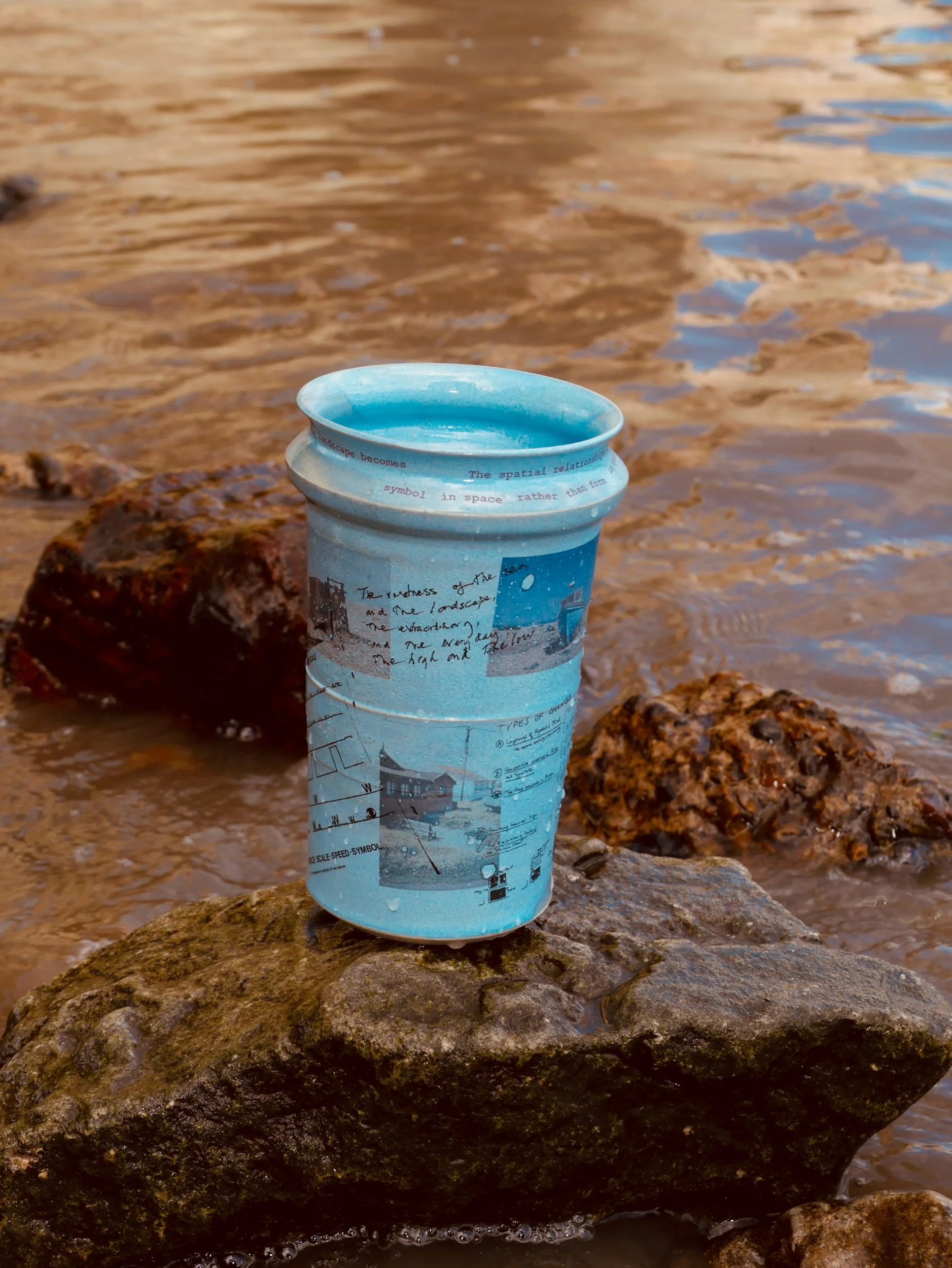
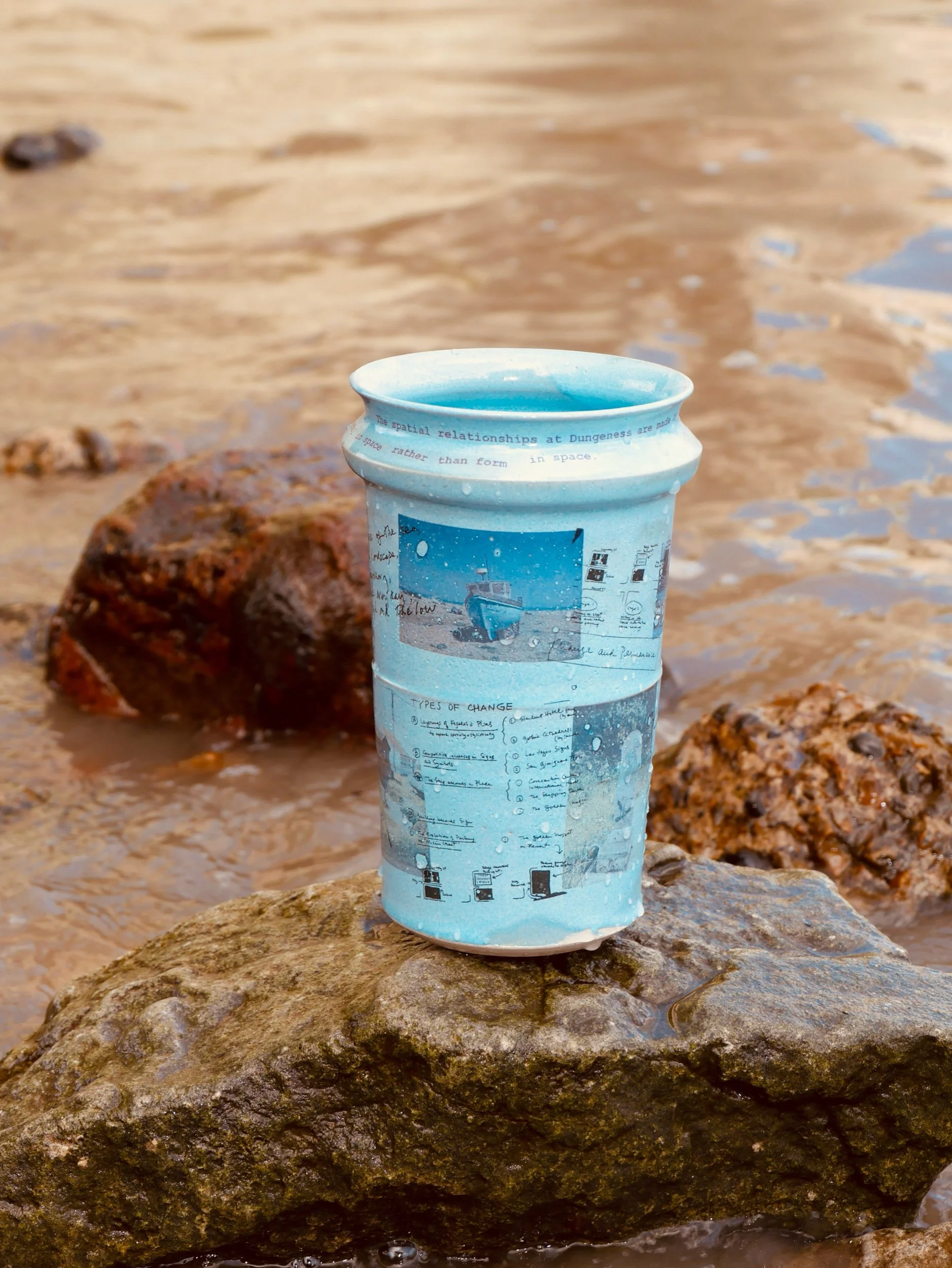
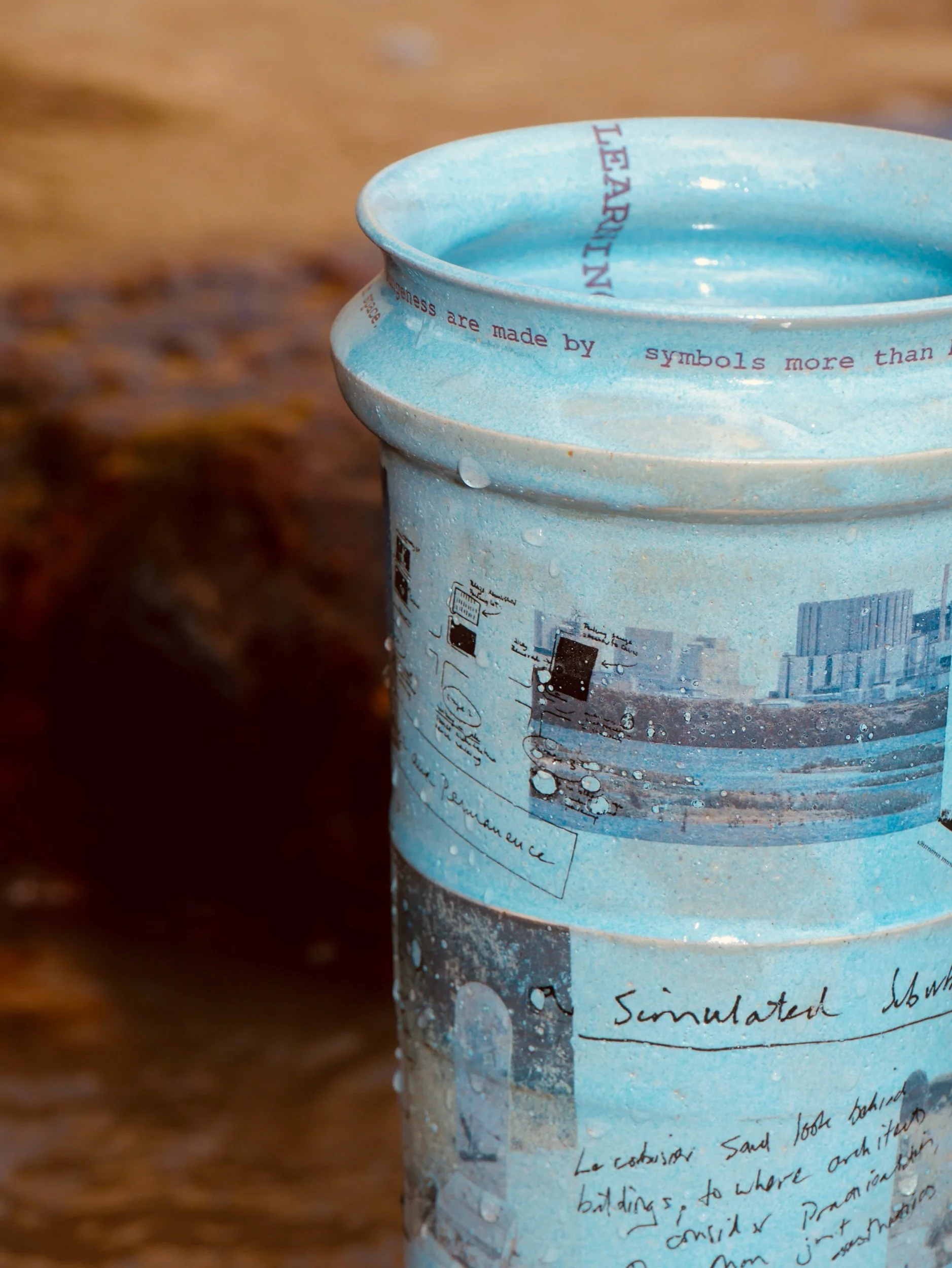
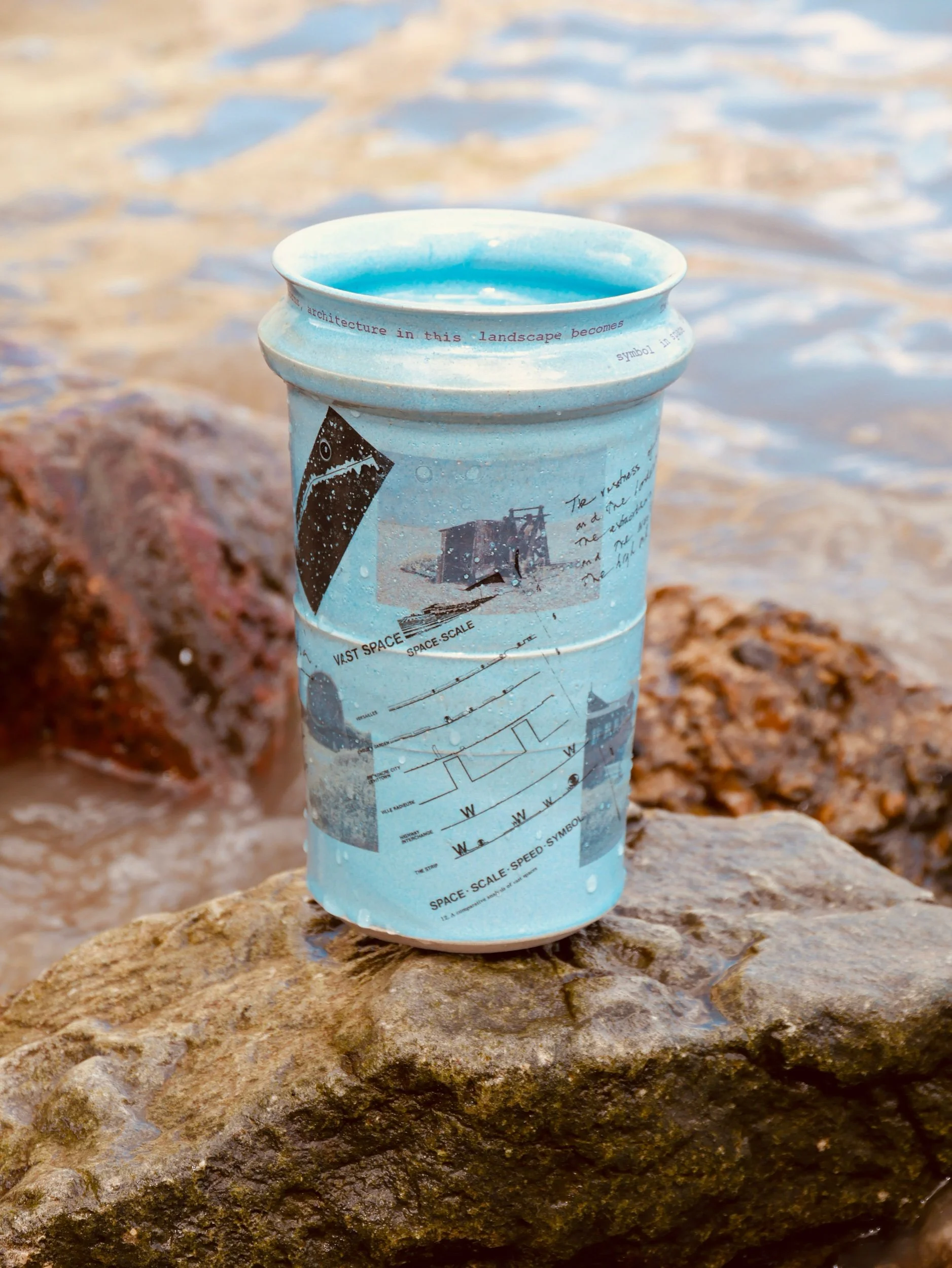
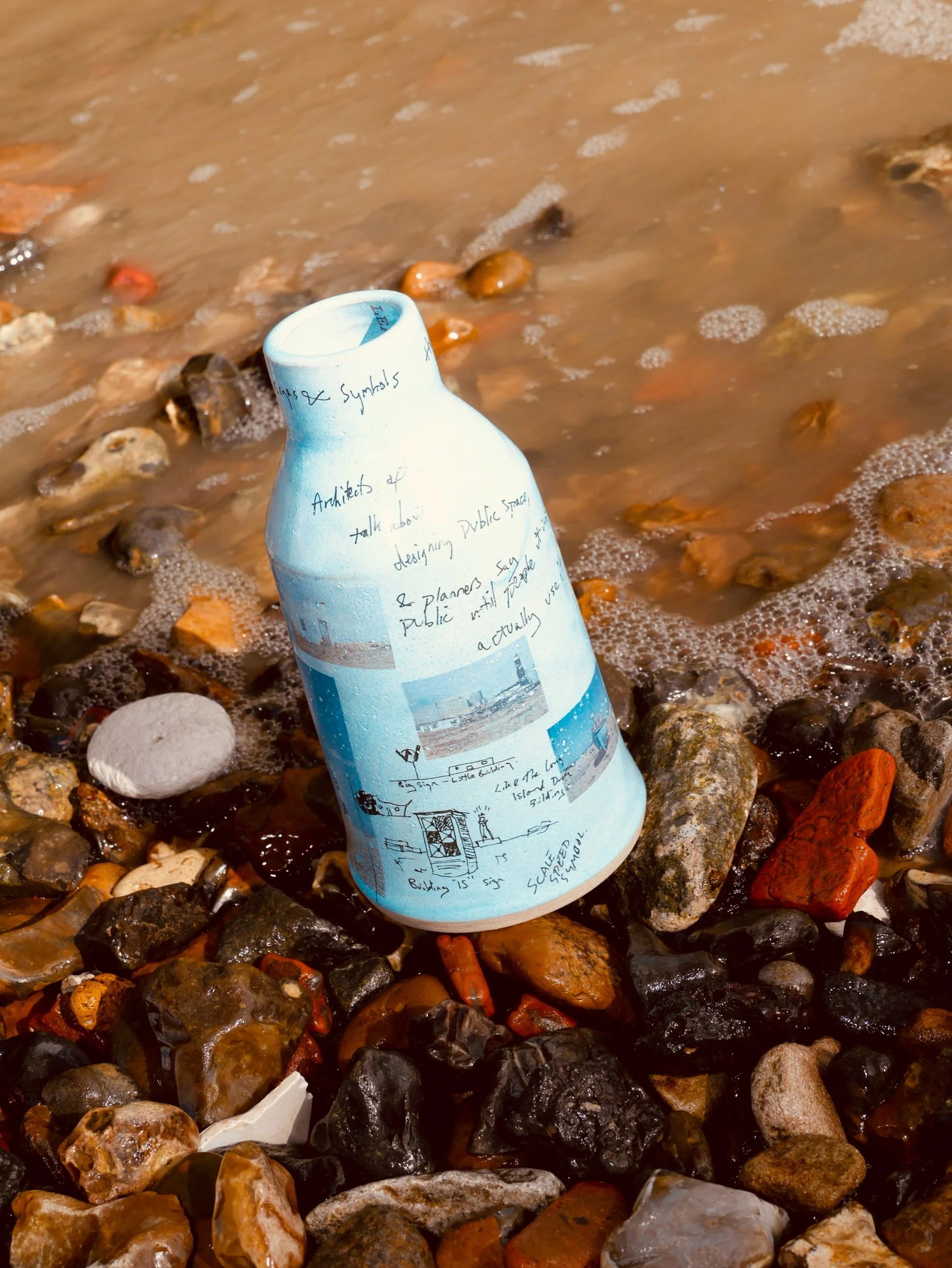
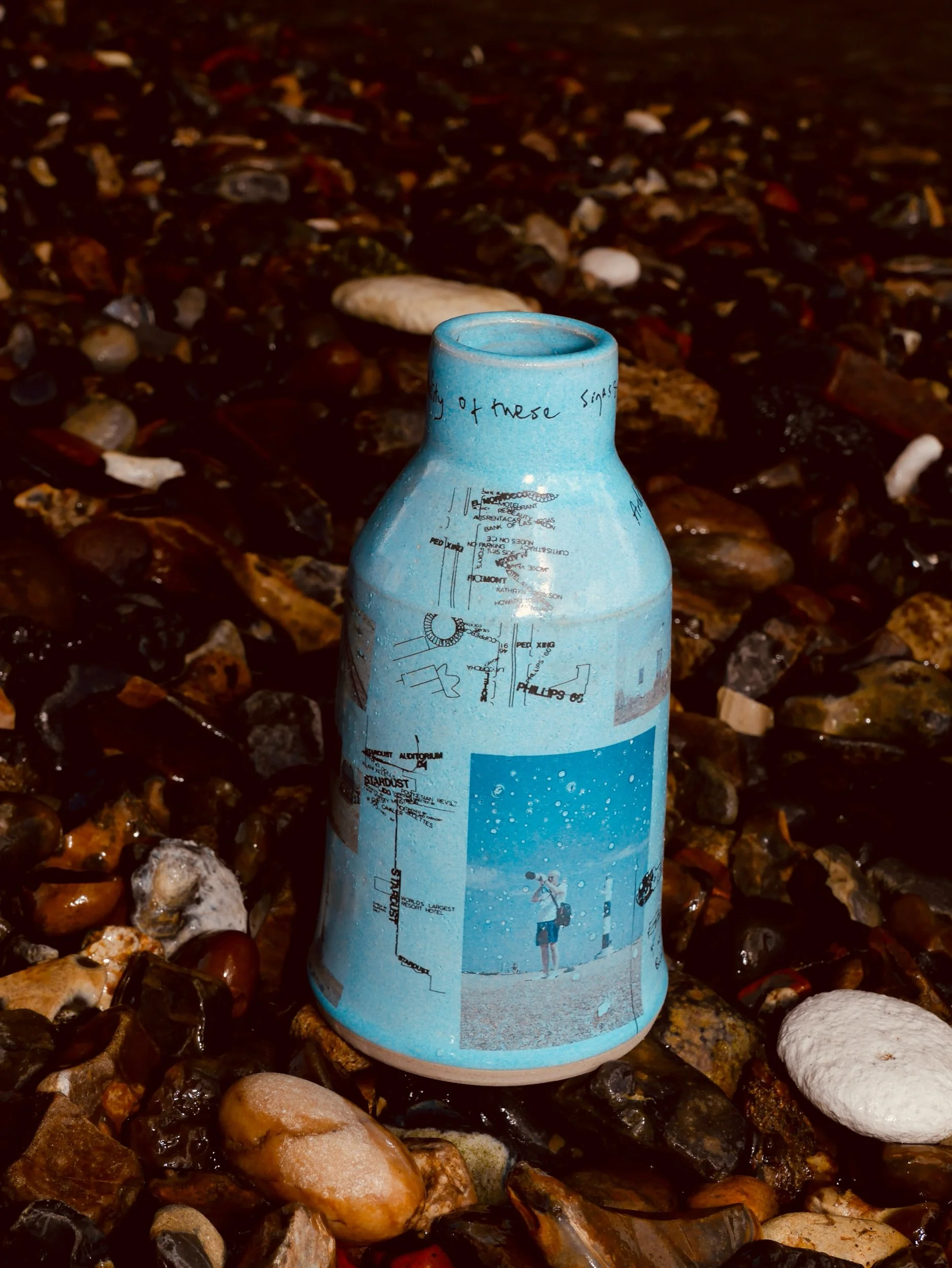
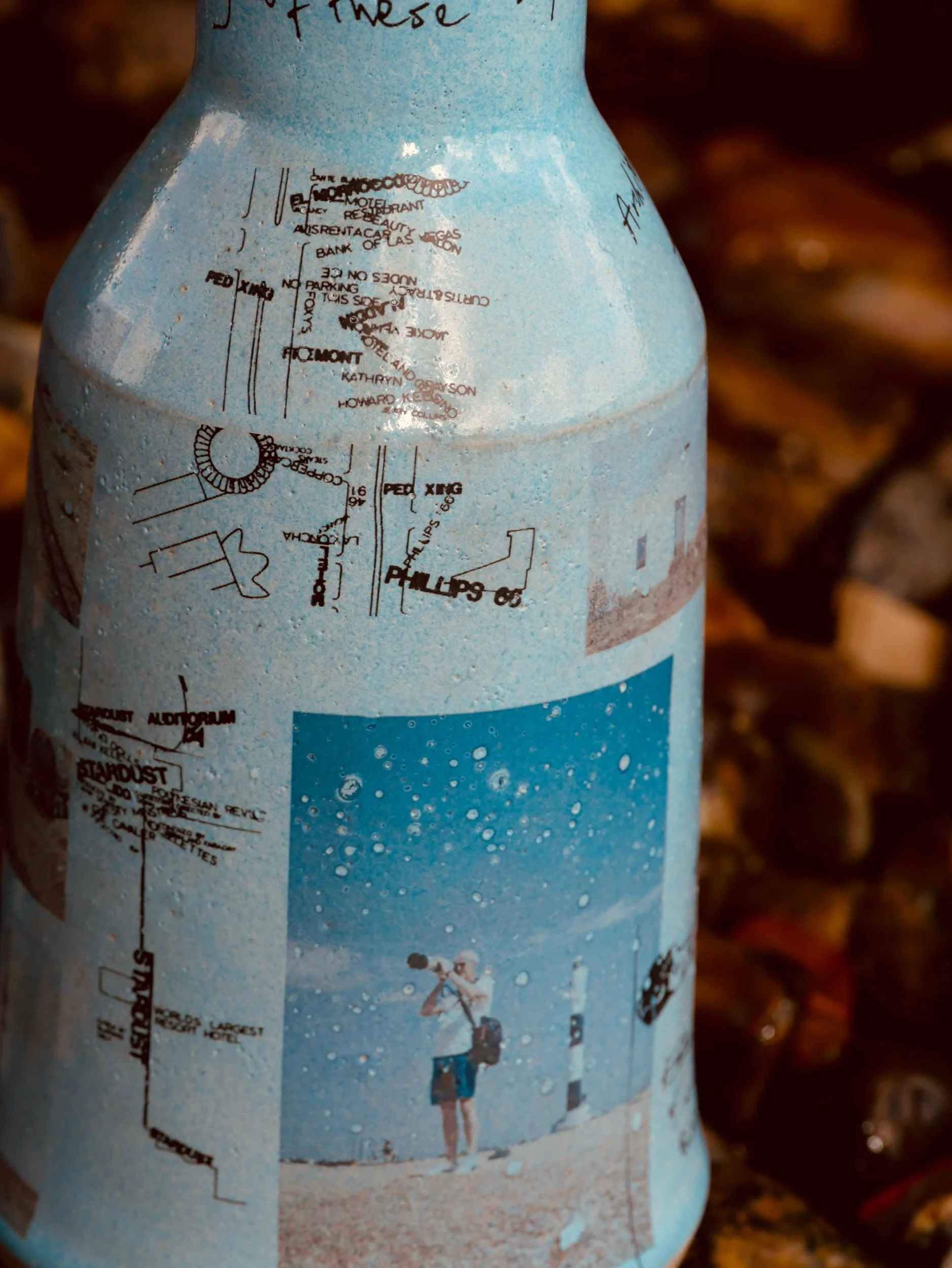
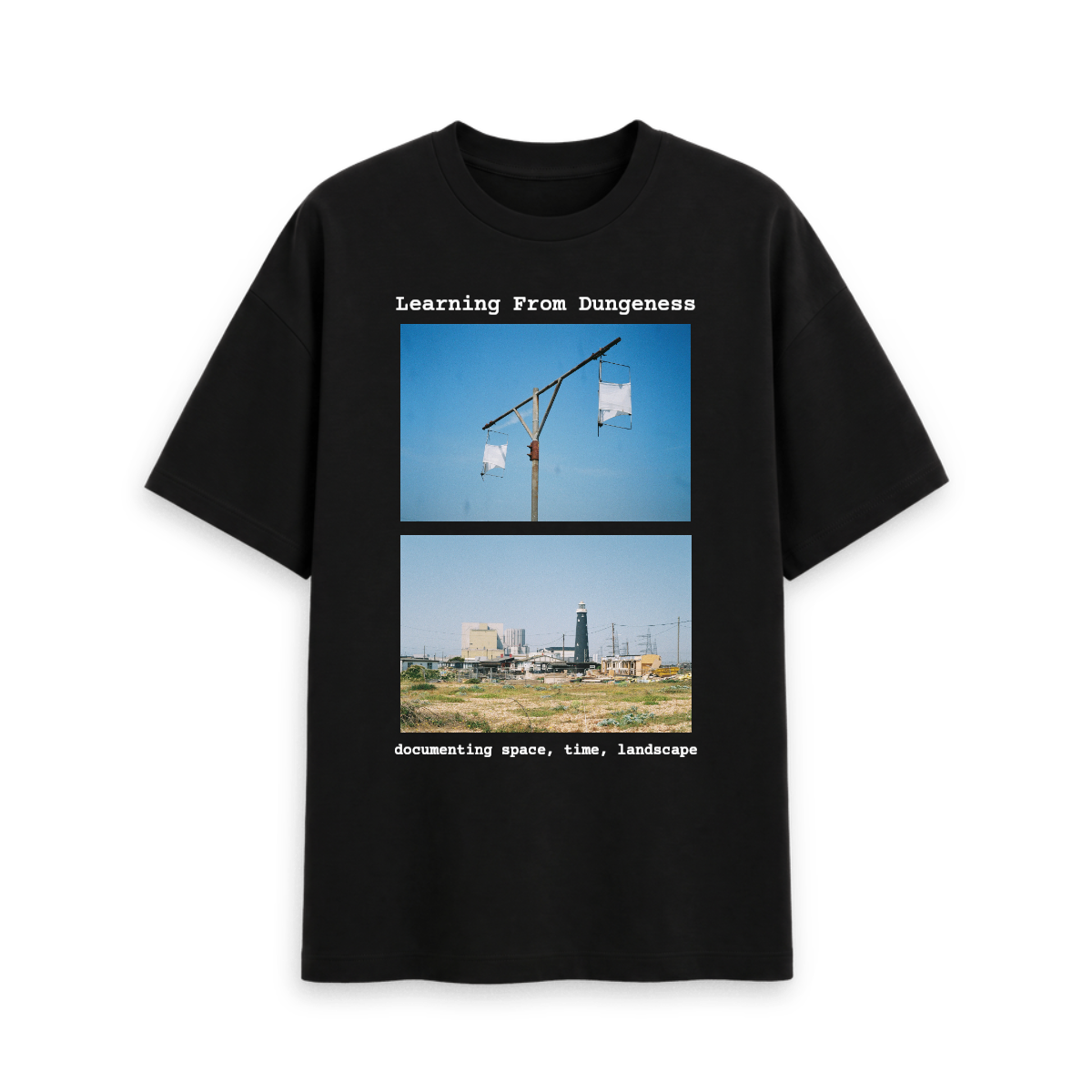
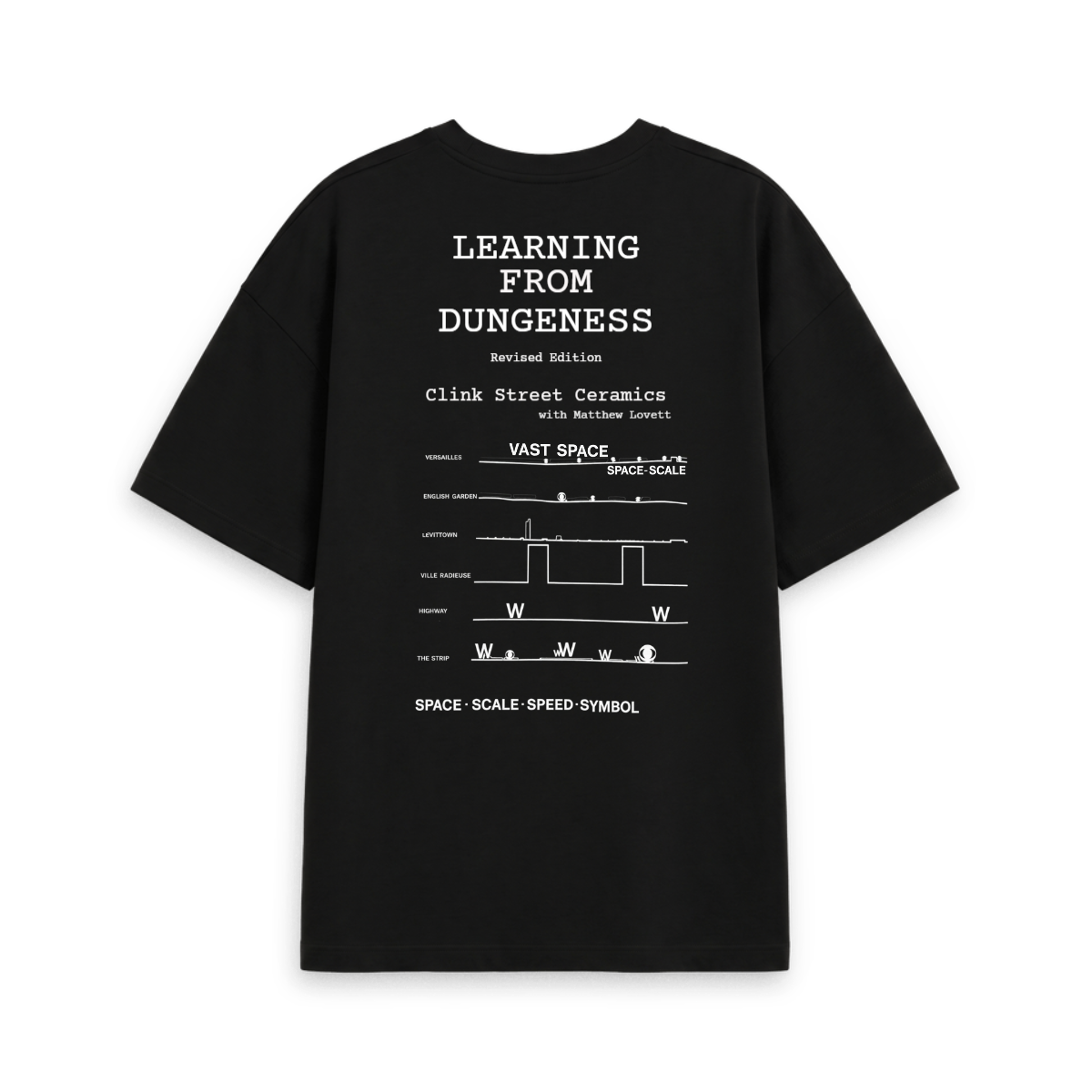
This new series by Clink Street Ceramics explores the space, time, and landscape of Dungeness on the Kent Coast. As Britain’s only desert, I found parallels between Dungeness and Las Vegas in the layout and architecture of this special place. This series of ceramic vessels documents my visits to Dungeness with landscape photographer Matthew Lovett during the spring of 2026. As a psychogeographic endeavor, we walked through the landscape documenting what we found through drawings and photography. Using both digital and film cameras, we took a “point and shoot” approach, embracing the “as found” aesthetic. My research took me immediately to the seminal work “Learning from Las Vegas” by Robert Venturi and Denise Scott Brown, from, 1972. Venturi & Scott Brown produced this foundational architectural theory text that challenged modernism, by celebrating the commercial vernacular and car-centric symbolism of the Las Vegas Strip. The similarities are not immediately obvious, but on closer inspection, re-reading this text unlocked deeper meanings in the way that Dungeness connects ideas of ownership, habitation, time, landscape, and nature.
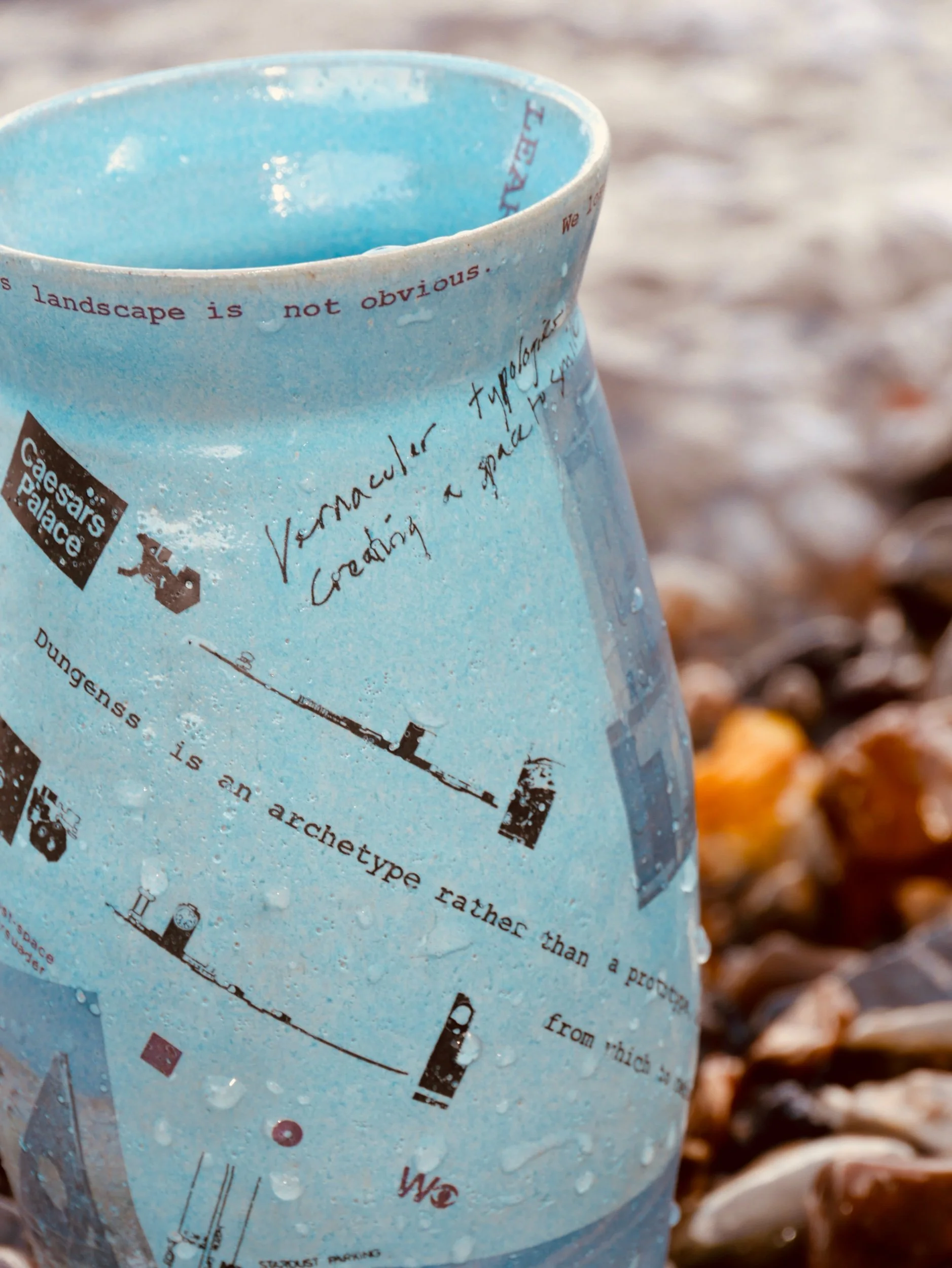
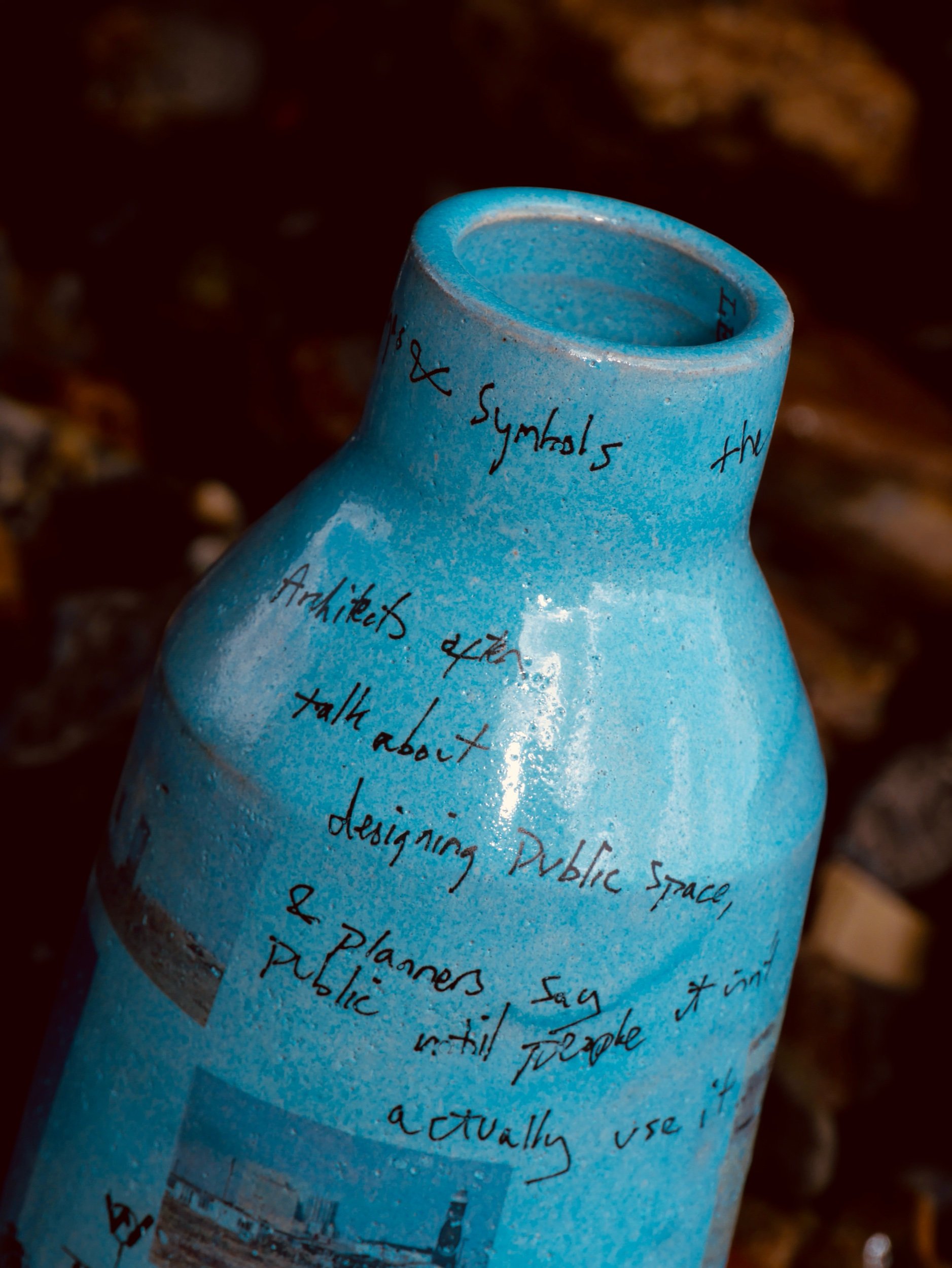
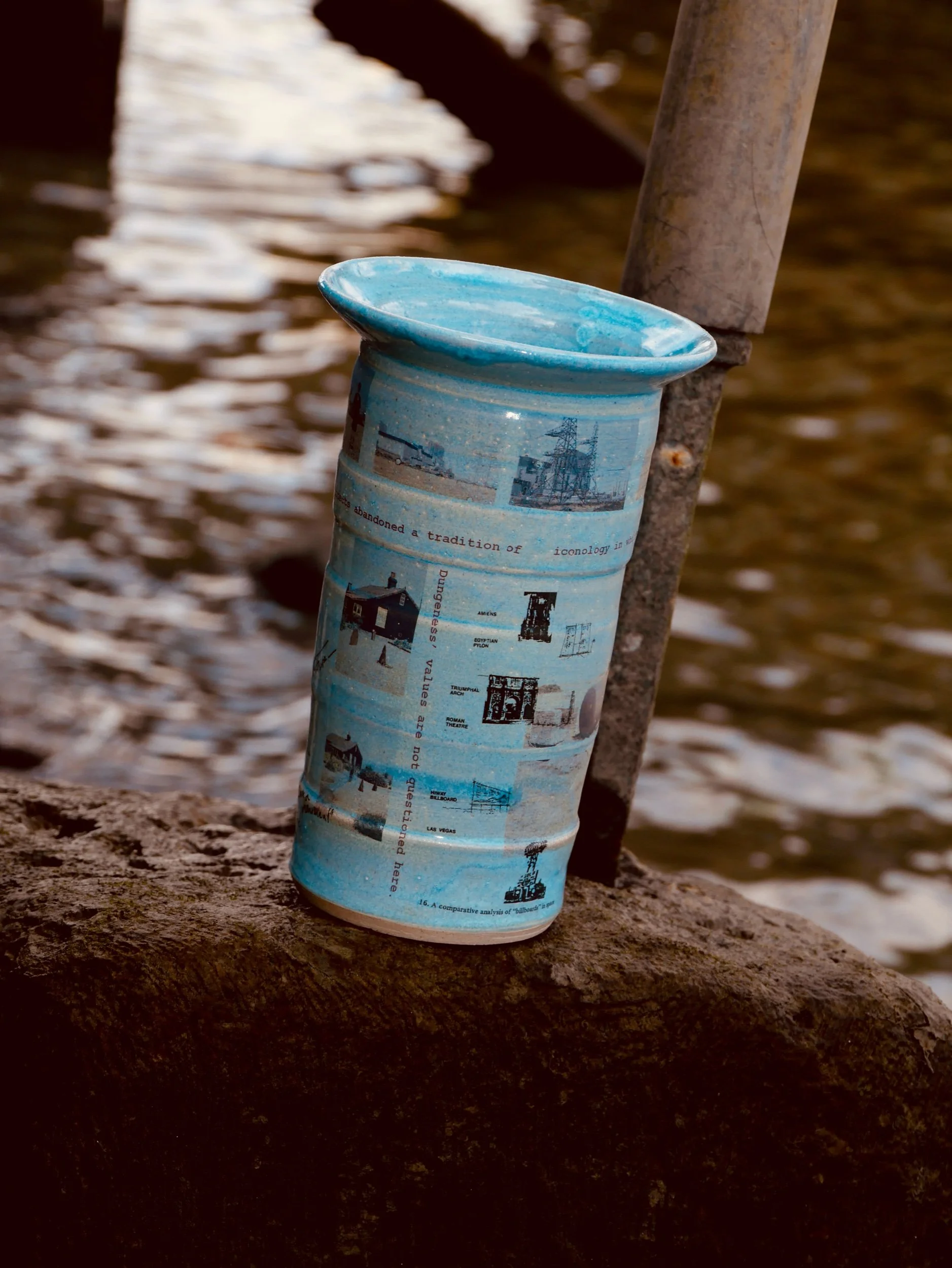
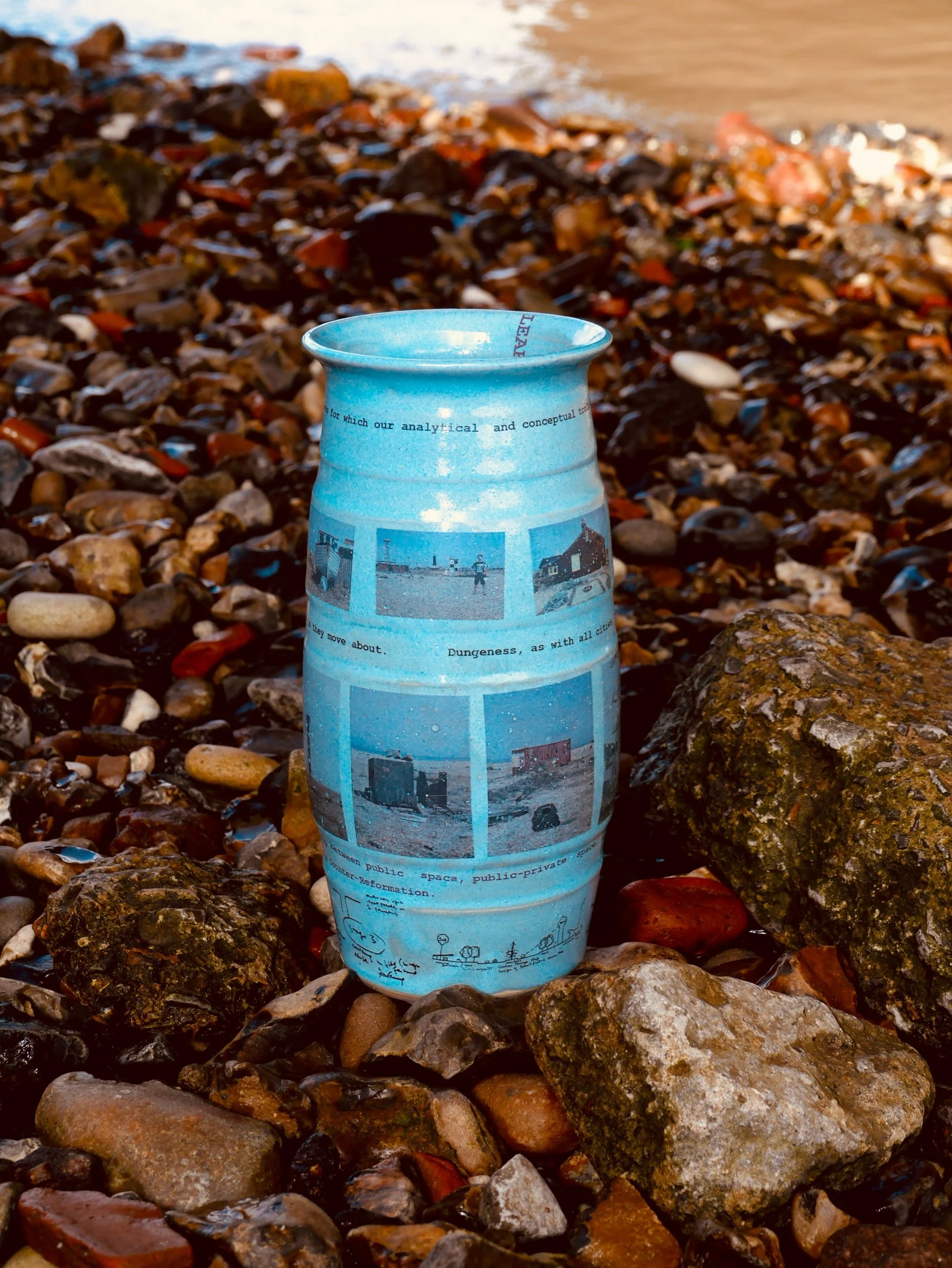
This series is my Learning from Dungeness 1972. Each piece includes on-location photography by landscape photographer Matthew Lovett, as well as photos by Clink Street Ceramics using a Leica Mini Zoom 35mm Film camera from 1993, as well as drawings and notes, applied via ceramic in-glaze transfers.
Piece specific text extracts: Dungeness, as with all cities, communicates messages; functional, symbolic, and persuasive to people as they move about. The relationship between public space, public-private space, and private space is as intricate and intriguing as that of Rome of the Counter-Reformation. Dungeness is so different from the docile space for which our analytical and conceptual tools were evolved that we need new concepts and theories to handle it. Learning From Dungeness 1972.
Hand thrown and fired to 1,220°C.
Height (cm): 21
Diameter (cm): 10
Clay: Staffordshire Stoneware, blue turquoise glaze, ceramic in-glaze transfers.
The images, drawings and text are applied by in-glaze ceramic transfer. This means the pigments are within the glaze. They are completely permanent and cannot fade or be removed, they are inside the glass glaze.
This item is a one-off piece that is made, glazed, and fired by studio potter James Sims in a small studio in Central London. The photographs show the individual pot for sale.
There may be anomalies in the ceramic due to its handmade nature as an art object.
A hand thrown stoneware vase.
This new series by Clink Street Ceramics explores the space, time, and landscape of Dungeness on the Kent Coast. As Britain’s only desert, I found parallels between Dungeness and Las Vegas in the layout and architecture of this special place. This series of ceramic vessels documents my visits to Dungeness with landscape photographer Matthew Lovett during the spring of 2026. As a psychogeographic endeavor, we walked through the landscape documenting what we found through drawings and photography. Using both digital and film cameras, we took a “point and shoot” approach, embracing the “as found” aesthetic. My research took me immediately to the seminal work “Learning from Las Vegas” by Robert Venturi and Denise Scott Brown, from, 1972. Venturi & Scott Brown produced this foundational architectural theory text that challenged modernism, by celebrating the commercial vernacular and car-centric symbolism of the Las Vegas Strip. The similarities are not immediately obvious, but on closer inspection, re-reading this text unlocked deeper meanings in the way that Dungeness connects ideas of ownership, habitation, time, landscape, and nature.
This series is my Learning from Dungeness 1972. Each piece includes on-location photography by landscape photographer Matthew Lovett, as well as photos by Clink Street Ceramics using a Leica Mini Zoom 35mm Film camera from 1993, as well as drawings and notes, applied via ceramic in-glaze transfers.
Piece specific text extracts: Dungeness, as with all cities, communicates messages; functional, symbolic, and persuasive to people as they move about. The relationship between public space, public-private space, and private space is as intricate and intriguing as that of Rome of the Counter-Reformation. Dungeness is so different from the docile space for which our analytical and conceptual tools were evolved that we need new concepts and theories to handle it. Learning From Dungeness 1972.
Hand thrown and fired to 1,220°C.
Height (cm): 21
Diameter (cm): 10
Clay: Staffordshire Stoneware, blue turquoise glaze, ceramic in-glaze transfers.
The images, drawings and text are applied by in-glaze ceramic transfer. This means the pigments are within the glaze. They are completely permanent and cannot fade or be removed, they are inside the glass glaze.
This item is a one-off piece that is made, glazed, and fired by studio potter James Sims in a small studio in Central London. The photographs show the individual pot for sale.
There may be anomalies in the ceramic due to its handmade nature as an art object.